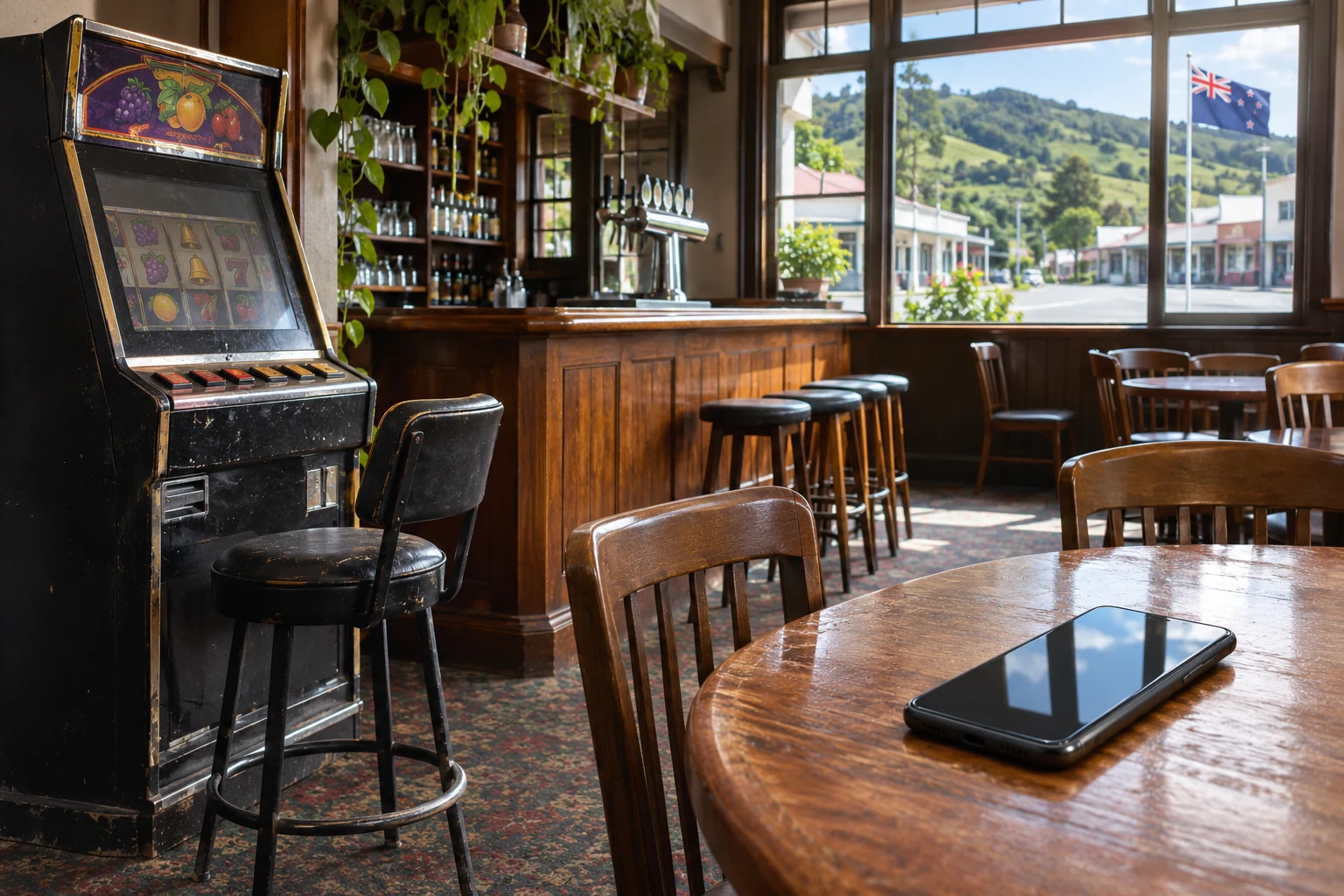
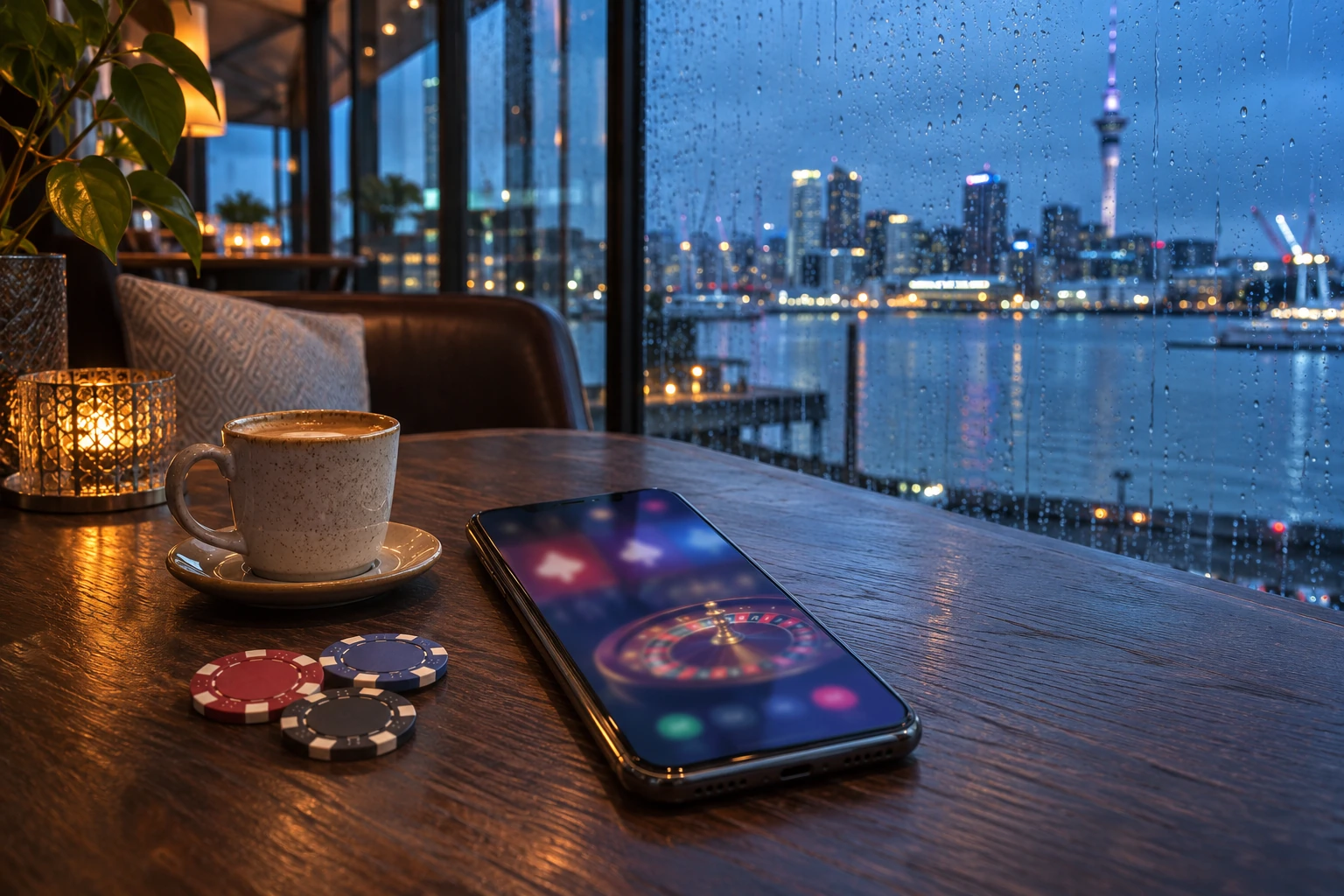
A casino no longer needs a casino floor. On a phone, it can be open between messages or while someone is watching television. The technology is impressive. I’m more interested in a less glamorous test: when a player wants to check their losses, withdraw their money or stop altogether, how hard does the operator make it?
Mobile games, live dealers and personalised offers get most of the attention. My take on casino trends in New Zealand starts with the less showy shift towards domestic licensing. A slick interface tells you little about whether the business behind it deserves trust.
New Zealand’s biggest casino trend is a change in the rules
The Online Casino Gambling Act took effect on 1 May 2026. In October, 11 entities won rights to apply for up to 15 licences; the DIA must still assess each application, and a licensed market is expected in 2027. An auction place is not operating approval, and as of November 2026 there was no public register of licensed operators.
Among the auction participants were SkyCity-related companies, Christchurch Online NZ, Stake New Zealand and TAB New Zealand. From 1 December 2026, providers without a qualifying application must leave the market; eligible applicants may operate under a transitional exemption but cannot advertise.
The casino floor has moved into the pocket
A desktop session used to require a deliberate trip to a computer. Now a smartphone can put pokies, account balances and a deposit button beside the weather app. Faster loading and saved payment details make that experience easy. They also strip away the pauses that once came naturally.
There’s nothing inherently wrong with good mobile design. Still, a push notification or an oversized “play again” button can pull somebody back before they have thought about what they spent. I’d rather see an unmissable session clock and a clear loss total than another claim about one-tap convenience.


Live dealers bring theatre back, but the maths stays put
A live-dealer table offers something a computer animation cannot: a person dealing cards or spinning a wheel on camera. Roulette, blackjack and baccarat look more like their physical-casino counterparts, complete with chat windows. Evolution, Playtech and Pragmatic Play have helped bring these formats to international audiences.
A real wheel and a live presenter change the atmosphere. They do not change the house edge. Nor do glossy graphics change the probabilities in an RNG (random number generator) game; its rules settle those.
Pokies show why faster is not always better
I draw the line at features that deliberately make it difficult to notice a loss or call time. A game can be entertaining without working to erase every stopping point.
AI is useful only when it knows when to leave a player alone
Artificial intelligence can sort through gambling account activity, flag possible fraud and help customer-service teams handle routine questions. Behavioural analytics can also spot changes in deposits or session lengths. The question is who benefits when a system spots a pattern.
If someone starts depositing more frequently, an intervention that stops play or prompts a review serves a very different purpose from a personalised offer sent at the same moment. I’m wary of calling both “smart personalisation”. Privacy matters here too: people should be able to understand what data an operator keeps and who can access it.
Physical casinos already offer a useful New Zealand comparison. In July 2025, SkyCity introduced carded play at its Auckland, Hamilton and Queenstown properties through the SHOW by SkyCity card. Linked accounts support limits and breaks. They also make the balance between monitoring for harm and collecting data for marketing harder to ignore.
Trust has become more valuable than a welcome bonus
An instant-withdrawal claim says little about verification delays, and a welcome bonus is not cash until its wagering and eligibility terms are met. Digital wallets, cards and cryptocurrency likewise do not prove that an operator is licensed in New Zealand.
Fake winner accounts, edited testimonials and influencer promotions can create familiarity without evidence. Te Ao M?ori News has reported concerns about fabricated success stories aimed at M?ori audiences. During the transition, online casino advertising is prohibited; future rules also restrict affiliate arrangements, sponsorships and personal endorsements.
A useful trust check is how the operator handles a dispute: verify its legal name and status, read withdrawal terms, and look for a clear complaint route.
Safer gambling needs to feel real during an ordinary session
A time-out should end play, not merely display another warning. Raising a deposit limit ought to involve a pause rather than a reflex tap. The complaints process gets tested when a withdrawal is held up. Those are the moments when a safeguard either works or turns out to be decoration.
The community question is bigger than tax revenue
I’d judge the change by more than the total dollars paid out. Which clubs lose an established funding stream? Who receives the new money? And does demand for gambling-harm support rise or fall? Those answers will say more about the community impact than a single headline contribution figure.
What I’ll be watching as 2027 approaches
Mobile games and live tables are already part of New Zealand’s gambling mix. I would judge the next generation by whether someone who wants to stop can leave without being drawn into a longer session or a larger loss.