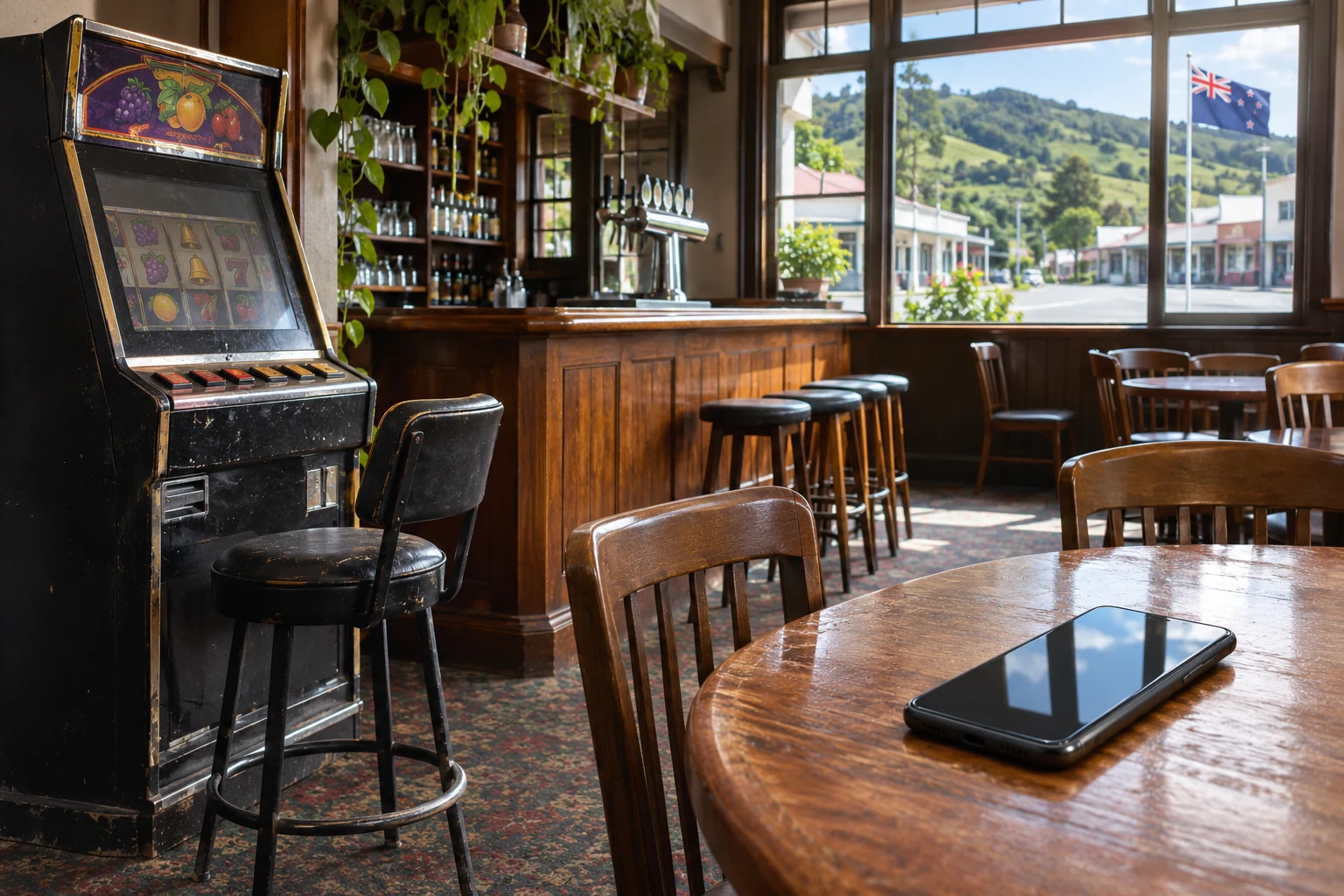

A betting app shows the stake, the result and the balance. It doesn't show the power bill paid late, the student-loan money used to chase a loss, or the argument someone avoids by hiding another deposit.
A wager now takes seconds: a punt on the bus, online pokies after midnight, another deposit before work. For people in Aotearoa New Zealand, repeated bets can take more than money from the household.
When a small bet starts paying for a bigger problem
University of Auckland student Jun Leong told RNZ in 2026 that weekly NBA and UFC wins initially brought in about $50. After losing, he used $1,000 from his student loan to chase the money and lost that too. He later stopped using betting apps and reduced exposure to social-media promotions.
AUT's Te Waha Nui reported that Ricky's $5 bets among friends grew until he could spend as much as half a week's pay in one session. Neither account predicts every bettor's experience; both show gambling using money meant for study, rent or bills.
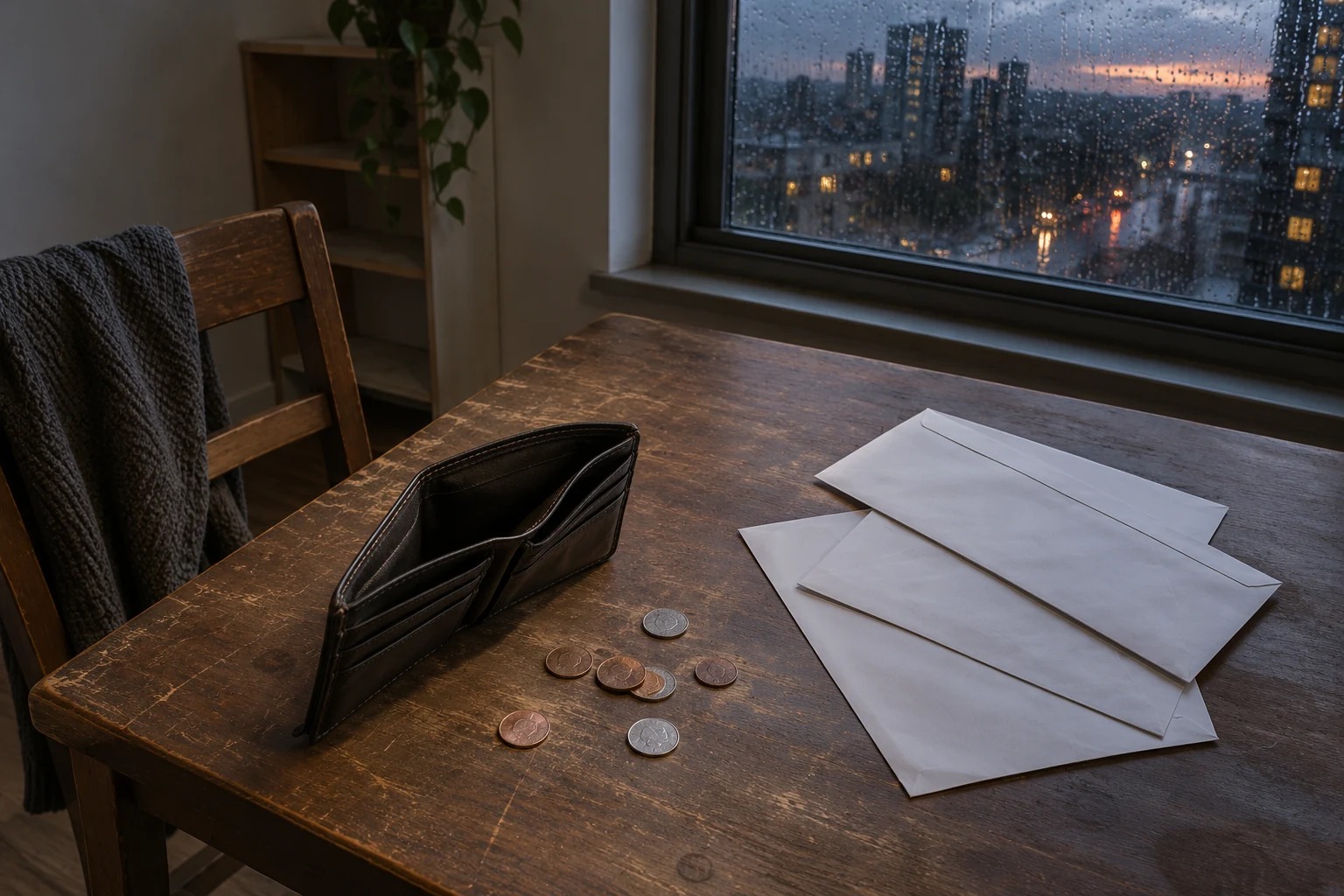
The bank statement is not the whole bill
| Cost layer | What the figures mean |
|---|---|
| Net loss and debt | NZ$600 in deposits minus a NZ$200 win leaves a NZ$400 net loss. Bonus wagering, credit-card interest, overdraft fees and buy-now-pay-later repayments can add costs after play. |
| Household impact | In a 2025 Ministry of Health report, 75.9% of surveyed people already affected by someone else?s gambling reported at least one financial harm; 61.0% reported an issue involving economic control. These figures describe affected respondents, not all New Zealand households. |
| Wider social cost | The Ministry of Health estimated NZ$4.219 billion in economic and social costs from gambling problems in 2023/24. It is a modelled national cost, not online-casino withdrawals or player losses. Offshore online gambling, particularly online gaming machines, was identified as a major part of the burden. |
| Repeated small losses | NZ$40 lost three evenings a week totals NZ$6,240 over 52 weeks, before fees or borrowing costs. This is an illustration, not an average-spending estimate. |
The cost in sleep, attention and ordinary life
A casino has an address. A phone follows people home. Online pokies offer rapid rounds, while live sports betting breaks one match into repeated chances to wager. Nobody needs to leave the sofa or wait for a venue to open.
Checking odds eats into work and study. A lost bet can follow someone into bed as well: replayed results, missed sleep, irritability. A partner or flatmate may notice the secrecy before they know about a debt.
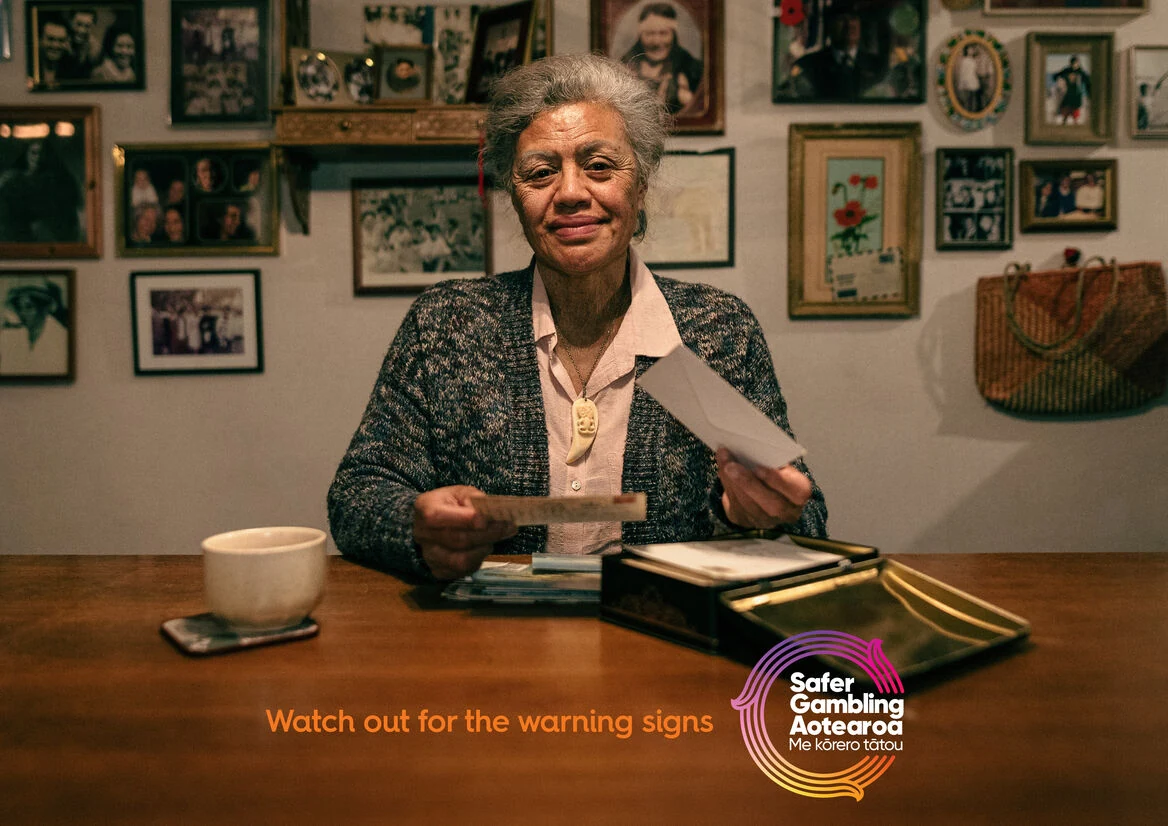
Sally, featured in the Problem Gambling Foundation's The Bet podcast, turned to an online casino for relief from pressure and noise in her life. The distraction became an obsession. She later found support and rebuilt her life with her family. It wasn't only the money: gambling had taken up hours that used to belong to other parts of her day.
A 2025 paper based on sports-betting harm among 50 young adults aged 18 to 25 described financial, emotional, health, relationship, education and employment harms. Those interviews were not a representative New Zealand survey. They help explain how betting can keep looking like ordinary entertainment even as other parts of life suffer.
When the loss belongs to the whole whānau
A missing rent payment or an unfamiliar transfer may be the first sign to a partner; children can feel the tension without knowing why. The Ministry of Health reports unequal gambling harm across communities, but this does not mean any group is inherently more likely to gamble. Financial pressure, marketing and access to suitable support all matter.
Hāpai Te Hauora and Mapu Maia have raised concerns about online promotions reaching Māori, Pacific and younger audiences. Tahu Hollis described losing more than NZ$20,000 before age 20, alongside shame and the role of whānau and cultural reconnection in recovery. His account concerns gambling broadly, not proven online-casino losses.
The price of an online promise
A polished offshore website does not guarantee a New Zealand player much recourse when a withdrawal is disputed or identity checks become a problem. A bonus may come with wagering conditions that prevent it being withdrawn like cash. The number on the screen is not necessarily money in the bank.
Māori creator Rangiātea Stewart described scammers using her photos and a made-up story to promote an online gambling site, despite her refusal to advertise gambling. In account of identity misuse, she makes clear she was impersonated, not involved. The fraud relied on a familiar face to make an untrustworthy offer appear legitimate.
Children may meet chance-based rewards long before they visit a casino. Loot boxes, in-game currencies and gambling-like purchases in free-to-play games do not automatically have the same legal status as online casino bets. AUT Gambling and Addictions team at AUT that studies gambling and addiction's work on online gambling and free-to-play gaming identifies overlapping risks, especially for people who engage with both. Paying repeatedly for an uncertain digital reward can start to feel normal.
What recovery actually has to repair
Recovery can involve overdue bills, debt, household budgeting and conversations as well as stopping further bets. Bank blocks, account limits and blocking software can add friction, but are not foolproof. PGF Services supports individuals and whānau; the Gambling Helpline offers free, confidential 24/7 support on 0800 654 655 or text 8006. Specialist Māori, Pasifika, youth and gambling-debt services are also available.
A useful test is whether gambling still fits around essential bills, sleep, time and honesty at home. The app records the stake; partners, children and whānau may carry other costs.