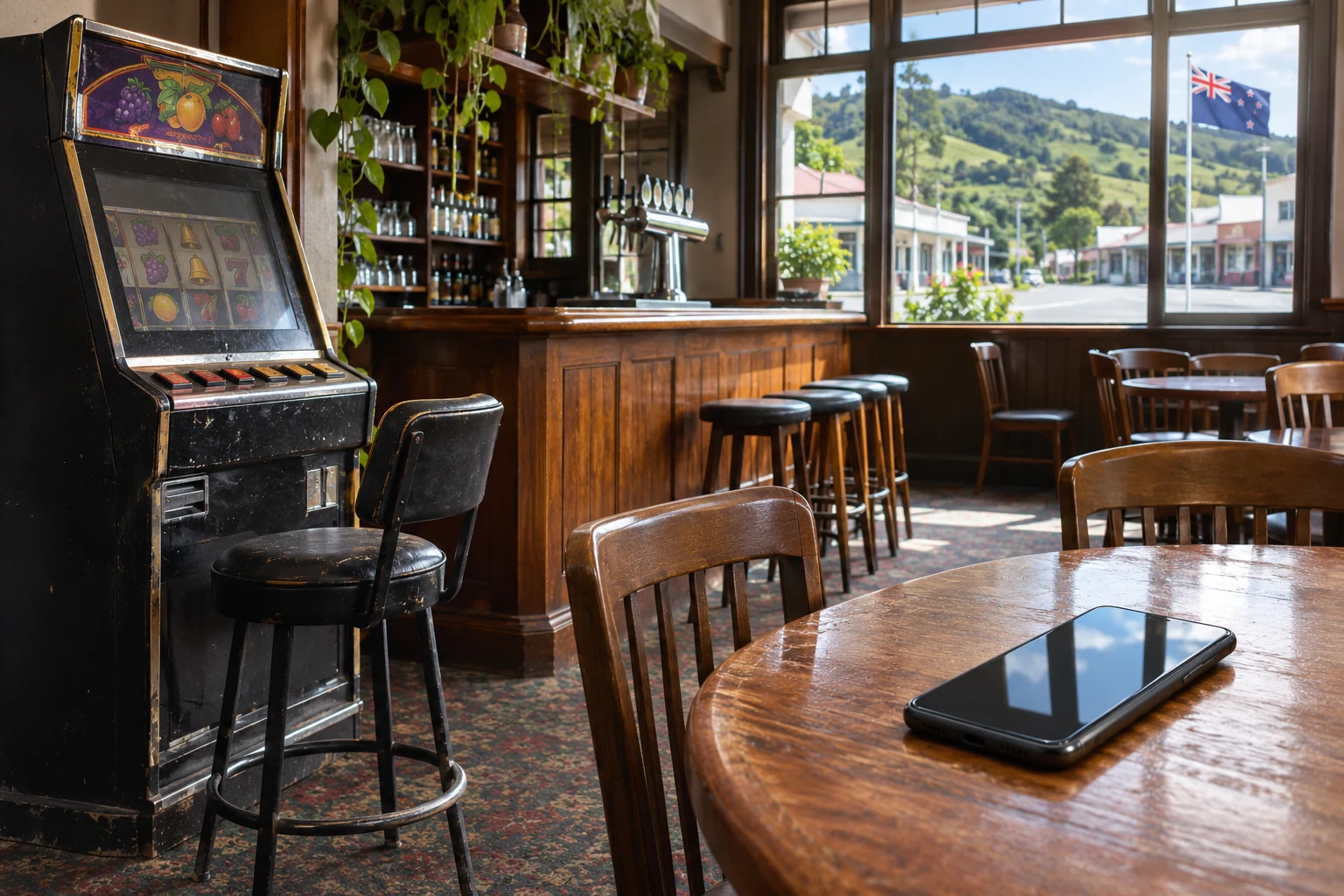

Gambling is legal in New Zealand only where an activity is authorised by law. Land-based casinos, pub pokies, Lotto NZ products and TAB NZ betting operate under different rules. Online casinos are undergoing the biggest change: the Online Casino Gambling Act 2026 took effect on 1 May 2026, but the fully licensed market is not expected to operate until 2027.
For people in Aotearoa New Zealand, the immediate distinction is between being able to access a gambling site and being protected by New Zealand's licensing system. As at 3 November 2026, eligible offshore online casinos can continue serving existing New Zealand customers under transitional rules. They cannot advertise to New Zealand audiences, and winning a place in the licence auction does not make a casino licensed.
Which forms of gambling are legal in New Zealand?
The rules depend on the game, operator and player's location. A table in a licensed casino, online poker and a pub pokie fall under different laws.
The laws and regulators behind the NZ casino scene
The Gambling Act 2003 governs land-based casinos, non-casino gaming machines, lotteries and harm-minimisation. It also bars new land-based casino venue licences.
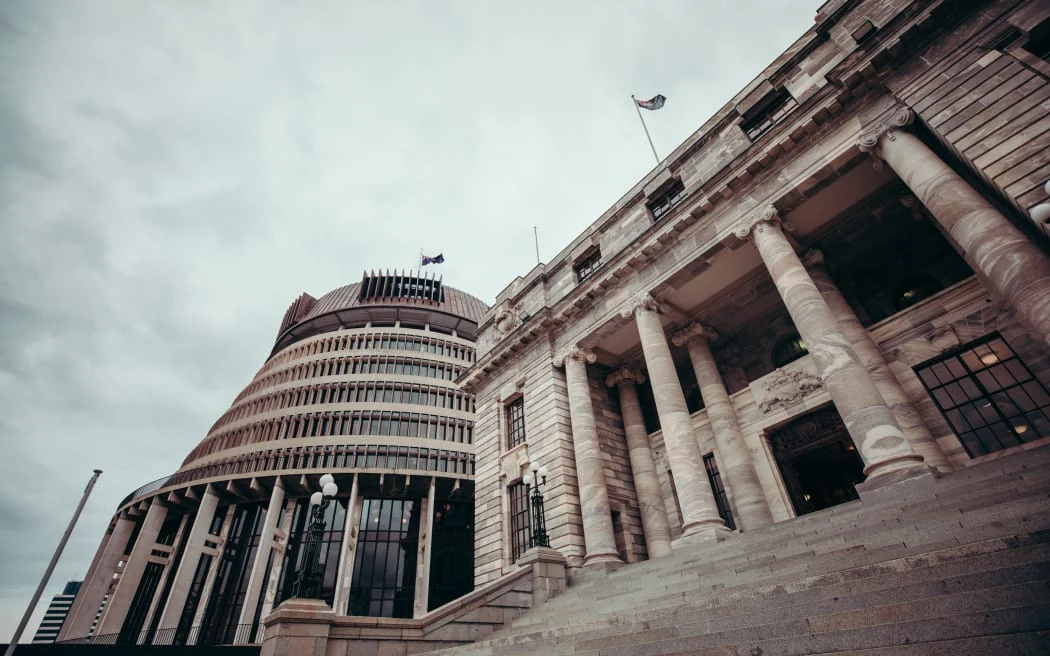
The Department of Internal Affairs (DIA) administers gambling laws and oversees licensing and compliance. The Gambling Commission handles statutory decisions and appeals, mainly for casino licensing. Local councils set policies affecting Class 4 venue locations.
The Racing Industry Act 2020, amended in 2025, governs sports and racing bets. The Online Casino Gambling Act 2026 covers online casino products; its regulations and DIA technical standards set rules for licensed providers.

Are online casinos legal for New Zealand players in 2026?
Offshore casino sites have long been accessible from New Zealand without a comparable local licensing system. The new law regulates providers; it does not make every accessible site authorised.
The transition from May 2026 to the licensed market
- 1 May 2026: The Online Casino Gambling Act commenced. Overseas operators already providing online casino gambling to customers in New Zealand before that date could continue under transitional provisions. Advertising online casino gambling to New Zealand audiences remained prohibited.
- 14 August 2026: The expression-of-interest stage closed. Interested businesses had to enter the formal process rather than simply claim they were seeking a licence.
- 12 October 2026: The auction concluded. Eleven entities won rights to apply for the 15 available online casino licences. The final auction price reached NZ$15 million per licence right.
- 1 December 2026: Operators that have not submitted a qualifying licence application must stop offering online casino gambling to people in New Zealand. Applicants covered by the exemption can continue without advertising while the DIA considers their applications.
- 2027: The DIA expects to begin issuing licences and bring the regulated market into full operation. The outcome of each application remains subject to assessment.
An auction win is only the right to apply. The DIA must still assess suitability, compliance, consumer protection and harm-minimisation.
Who won the right to apply?
The DIA lists Baytree Interactive Limited, Christchurch Online NZ Limited, One Casino Limited, Playvia Gaming (NZ) Limited, Rock Swift Group Limited, Rush Entertainment Limited, Skill On Net Limited, SkyCity NZ Online NO1 Limited, SkyCity NZ Online NO2 Limited, Stake New Zealand Limited and TAB New Zealand as auction winners. Baytree holds three application rights; Playvia and Rock Swift hold two each. These are applicant entities, not approved casino brands.
Each licence covers one brand, with no more than three licences under one person's influence. Licences may run for up to three years and be renewed for up to five. Auction participation or an overseas licence is not DIA approval.
How can players check whether a casino is authorised?
- During November 2026, no newly licensed online casino register is available. An overseas licence, NZ flag, NZD balance or Kiwi casino label does not prove DIA authorisation.
- When licences are granted, check the DIA public register and match the operator and domain. Confirm the official registration icon and audio mark; logos can be copied.
- Before depositing, confirm the legal operator, current regulator, eligibility to serve NZ customers and complaints route. A game catalogue or promotion proves none of these.
- NZD or a VPN does not establish eligibility. Licensed platforms must check that customers are in New Zealand and detect location-masking tools.
What will change for players at licensed online casinos?
The 2026 regulations and minimum standards set requirements for licensed operators covering verification, player funds, game integrity, advertising and harm-minimisation. They do not establish that every offshore site follows the same rules.
Account verification, payments and withdrawals
Licensed providers must verify age and identity, keep auditable account records and offer multi-factor authentication for sensitive activity. Credit-contract payment methods, including credit cards, are prohibited; debit cards are treated differently.
Operators must keep customer balances withdrawable and provide complaint-handling processes. Repeatedly demanding another deposit to release a legitimate withdrawal is a warning sign.
Limits, self-exclusion and safer game design
Players can set daily, weekly or monthly time, deposit and spending limits. Requests to increase or remove a limit take at least 24 hours to take effect; breaks, time-outs, reminders and platform self-exclusion are also required.
Game controls require a separate deliberate action before each round and at least 2.5 seconds before another can begin. Players must be able to check rules, odds and theoretical RTP; multiple online slots cannot be played at once. RNGs must meet integrity standards, and RTP is a long-run measure, not a session forecast.
Casino bonuses, loyalty schemes and advertising
Online casino advertising is prohibited during the transition. Future licensed ads face restrictions on placement, affiliate arrangements and paid endorsements; inducements and loyalty schemes are also regulated.
An inducement without a customer's own uncommitted funds is capped at NZ$100. If the customer must deposit or bet their own funds, the cap is the lower of NZ$100 or 200% of that amount. Terms must be clear, and winnings from an inducement cannot be required to be gambled again before withdrawal.
The DIA can order unlawful ads to be removed and pursue penalties of up to NZ$5 million for relevant contraventions. Advertising rules can also cover people who arrange or publish promotions, including some influencer activity.
How do land-based casinos differ from online casinos?
New Zealand's land-based casinos are in Auckland, Hamilton, Queenstown, Christchurch and Dunedin. SkyCity, Christchurch Casino and Grand Casino Dunedin operate under the Gambling Act framework; those venue licences do not authorise an online casino.
Casino games include pokies and table games. Entry to casino gambling areas is restricted to people aged 20 or older. Venues must meet operating and harm-minimisation duties and comply with anti-money-laundering customer checks.
No new land-based casino venue licences can be granted under section 10 of the Gambling Act 2003. This is separate from the cap of 15 online casino licences.
Pokies, private poker, raffles and community gambling
Pub and club pokies are Class 4 gambling. Eligible societies and clubs need operator and venue licences, and net proceeds must support authorised community purposes. Local council policies affect venue locations. The minimum age is 18, compared with 20 for casinos.
The Gambling Act's gambling classes also distinguish smaller-scale fundraising from larger lotteries:
- Class 1: Small activities, such as an office sweepstake or modest raffle, with prizes or potential turnover no greater than NZ$500 per session; a licence is not required when the conditions are met.
- Class 2: Society-run gambling with prizes no greater than NZ$5,000 and potential turnover no greater than NZ$25,000 per session; no licence is required if all statutory conditions are met.
- Class 3: Larger lotteries, housie or other society-run fundraising gambling requiring an operator's licence. Licensed Class 3 lotteries may sell tickets using communication devices under their specific permissions.
- Class 4: Non-casino gaming machines, including pokies in pubs and clubs, with strict licensing and community-funding obligations.
A private home poker night may qualify as permitted private gambling if it is mainly social, no one is paid to run it and stakes return to players. A rake, house profit or public commercial advertising can remove that exemption.
What about Lotto NZ, TAB NZ and overseas betting sites?
Lotto NZ runs products including Lotto, Powerball, Strike, Keno and Instant Kiwi under its own statute. Age limits vary by product; instant games and some frequent draws are 18+. The casino minimum age of 20 does not apply to every lottery ticket.
TAB NZ and Betcha operate under the Racing Industry Act 2020. Since 28 June 2025, TAB NZ has been the only provider allowed to offer racing and sports betting to people in New Zealand. An overseas licence does not authorise an offshore bookmaker to accept these bets from NZ customers.
A shared login does not merge permissions: an online casino licence does not cover sports betting, and Lotto or TAB services do not become online casinos.
Are gambling winnings taxed in New Zealand?
Recreational gambling and lottery prizes are generally not taxable just because they are winnings. Inland Revenue distinguishes these from prize money that forms part of a person's taxable business or activity.
Operator taxes and duties are separate from a player's tax treatment. The planned 4% community return from online casino revenue does not change whether an individual prize is taxable.
What if an offshore casino refuses a withdrawal?
An NZD balance or New Zealand-facing URL does not give local authorities control over an overseas operator. Before local licences are issued, customers may have to rely on the site's terms and any overseas regulator; the new protections are not automatically retrospective.
Keep the account name, deposit and game records, withdrawal request, applicable terms and messages with support. The reason for a hold matters: identity checks, a bonus dispute and refusal to honour a settled wager are different issues. Do not deposit more money solely to release a withdrawal.
Licensed operators will have formal complaint processes, and the DIA can investigate complaints under the new framework. This provides a local route, though it does not guarantee repayment.
Gambling harm, exclusion and confidential support
Legal gambling can still cause harm. Repeated fast play, borrowing, chasing losses or hiding activity are signs to set stronger limits or seek support.
Land-based venues have exclusion procedures; future online licensees must provide self-exclusion and play limits. These tools reduce risk but do not make gambling a source of income.
The Gambling Helpline offers free, confidential support on 0800 654 655 or by text to 8006. Safer Gambling Aotearoa also supports people affected by their own or another person's gambling.
New Zealand gambling law FAQs
Can a New Zealander play at an offshore online casino?
Operators serving NZ customers before 1 May 2026 may continue under transition until 1 December without advertising. Applicants can keep operating without advertising while the DIA decides. Site access is not proof of authorisation.
Is online poker legal in New Zealand?
Online poker that meets the Act's definition falls under the online casino framework. Private social poker and poker in licensed land casinos are treated differently; online operator eligibility and transition rules still apply.
Does a Malta or Curaçao licence make an online casino legal in NZ?
No. An overseas licence may identify another regulator, but it is not an NZ online casino licence. New Zealand's own public licence register will be the decisive domestic check once licences are issued.
Is the gambling age 18 or 20 in New Zealand?
Casino gambling: 20+. Class 4 pub and club pokies: 18+. The new online casino regime: 18+. Lottery age limits vary by product.
Are online casino advertisements and bonus promotions allowed?
Online casino ads to NZ audiences are prohibited during transition. Future licensed ads, inducements and loyalty schemes will have restrictions. A bonus is not proof of an NZ licence.
Is sports betting with an overseas bookmaker legal?
No. Since 28 June 2025, TAB NZ is the only provider permitted to offer racing and sports betting to NZ customers.
When will New Zealand have licensed online casinos?
The DIA expects initial licences from early 2027. The October 2026 auction granted rights to apply, not licences; check the DIA register for approvals.