
THE NZ CASINO SCENE
Offshore casinos have been part of New Zealand's online gambling market for years. A site can accept New Zealand dollars, carry familiar pokies and display an overseas gaming licence without being regulated in New Zealand. That distinction now matters more than the size of a welcome bonus or the speed advertised beside a withdrawal button.
The Online Casino Gambling Act 2026 took effect on 1 May 2026. Established offshore operators have a transition period, but from 1 December 2026 an operator without a qualifying licence application must stop providing online casino gambling to people in New Zealand. The Department of Internal Affairs (DIA) expects the first New Zealand licences to be granted in 2027. For players, the immediate question is whether an existing account, its cash balance and its withdrawal route will still work as the market changes.
What counts as an offshore casino in New Zealand?
An offshore casino is an online gambling operator run from outside New Zealand that allows customers here to use its platform. It might hold a licence from the Malta Gaming Authority (MGA), the Curaçao Gaming Authority, the Alderney Gambling Control Commission, the Isle of Man Gambling Supervision Commission, the Gibraltar Gambling Commissioner or the Kahnawà:ke Gaming Commission. Anjouan-licensed operators also appear in international casino directories. Each jurisdiction has its own rules and complaints arrangements.
The word offshore describes where the service is operated or regulated; it is not a verdict on the quality of its games. Nor does a .nz address, an NZD cashier or customer support that calls people “Kiwis” establish New Zealand authorisation. The overseas licence, the company holding it, the trading brand and the website domain are four different details.
New Zealand's physical casino market follows a separate system under the Gambling Act 2003. SkyCity and Christchurch Casino are recognisable local casino names, yet their historical online offerings were operated offshore under the previous rules. Lotto NZ and TAB NZ are also separate from the new online casino category: Lotto handles authorised lottery products, while TAB NZ, including Betcha, is the authorised domestic channel for online racing and sports betting.

How much protection does a foreign casino licence provide?
A licence from Malta, Curaçao, Alderney, Gibraltar, the Isle of Man or Kahnawà:ke is evidence of oversight by that jurisdiction, not a licence issued under the NZ Act. The presence of a regulator does not guarantee that an overseas dispute will be resolved quickly, that a withdrawal will be approved or that New Zealand authorities can recover money from the operator.
The clearest check starts with the casino's legal operator name and licence number. The licensing authority's own register should show the same entity and an authorised domain. A clickable logo that only opens a picture is not verification. The same standard applies to claims about an MGA or UK Gambling Commission (UKGC) licence: the licence must cover the actual site, product and relevant customer territory. A UKGC logo alone does not confer permission to serve New Zealand.
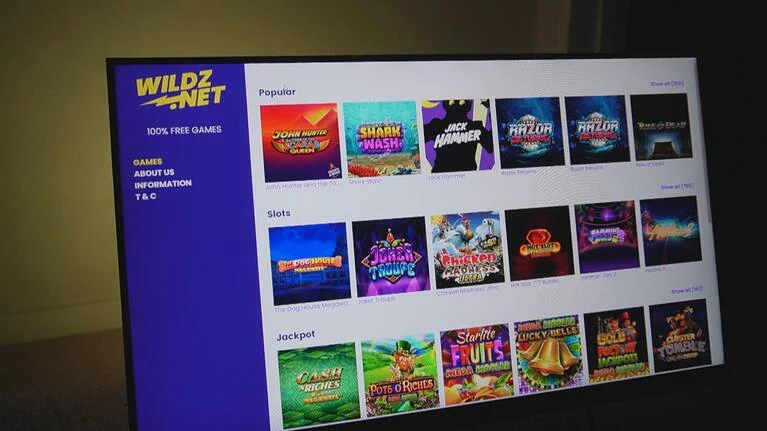
Brand ownership needs equal attention. Offshore directories often group sister sites such as 888, LeoVegas, PlayOJO, Jackpot City, Kiwi's Treasure, Spin Casino and Ruby Fortune. Such names illustrate why casino branding and the licensed legal entity cannot be treated as identical. One group can operate several sites with different bonus policies, payment systems and geographic restrictions. A previous payout at a sister brand is not a contractual guarantee at the next one.
NZ licensing will add a different layer: DIA supervision, a public operator register, a required registration mark and local processes for complaints. Even after approvals start, a player's actual rights depend on the licensed brand and the applicable terms, not on a logo copied into an advertisement.
NZD deposits are simple; withdrawals are where the risk sits
Offshore casinos often display prices and balances in New Zealand dollars while settling transactions through a foreign processor. Currency conversion, intermediary bank charges and cashout restrictions can leave a player receiving less than the headline balance. A cashier supporting deposits through a method does not necessarily offer withdrawals by the same route.
| Method | Practical distinction | Check before funds move |
|---|---|---|
| Visa and Mastercard debit cards | Card deposits are common; card payouts depend on the operator and processor. | Whether a withdrawal to that card is supported, and which currency is settled. |
| Bank transfer | Bank-account withdrawals can involve both casino processing and banking time. | Minimum cashout, fees, name matching and any intermediary transfer charge. |
| POLi | Often mentioned in NZ casino lists, but real availability varies; it is not a standard cashout route. | Whether the individual casino genuinely offers it for deposits today. |
| Skrill, Neteller, MiFinity and ecoPayz | E-wallets may separate the casino transaction from the bank withdrawal. | Account verification, withdrawal access and foreign-exchange fees. |
| Paysafecard, Neosurf and Flexepin | Voucher payments generally function as deposit methods rather than payout destinations. | The alternative method needed to receive a cashout. |
| Bitcoin, Ethereum and stablecoins such as USDT | Crypto transfers introduce wallet, network and exchange risks alongside casino checks. | Accepted network, withdrawal rules, conversion spread and irreversibility. |
The time between requesting a withdrawal and receiving it has distinct stages: the operator's pending period, identity and anti-money-laundering checks, payment release, then processing by the wallet provider or bank. “Instant withdrawal” can describe only one stage. Claims that all NZ online casinos support POLi, PayPal or crypto are not reliable; the cashier and the payment provider must agree for the specific account.
Know Your Customer (KYC) checks usually involve a legal name, date of birth, identification document and sometimes proof of address or payment ownership. A different spelling on a card, third-party wallet or bank account can create delays. A casino advertising “no verification” still has payment, fraud or anti-money-laundering obligations that may trigger checks later.
Pokies, live casino games and the meaning of fair play
Online casino libraries include slots, blackjack, roulette, baccarat and live-dealer games. Game studios supply software; they are not necessarily the operators holding customer balances. RTP is a long-run measure, not a promise about a deposit or session, and volatility describes payout distribution rather than changing RTP.
Testing or certification can support a claim about a particular game build, but it does not establish that an operator will resolve withdrawals fairly. Check the game and operator separately. Under NZ's 2026 standards, licensed operators must not offer autoplay or simultaneous online slot play and must avoid interface features designed to encourage excessive or impulsive play.
What happens if an offshore casino closes its NZ accounts?
A site departing New Zealand may stop accepting registrations, disable deposits or restrict access from NZ IP addresses. It may also instruct existing customers to withdraw remaining funds within a particular period. A brand's continuing availability in another country says nothing about its lawful access arrangements for New Zealand residents after 1 December.
For an existing balance, the safest administrative approach is to establish the account's legal owner, request the applicable withdrawal while service remains available, and retain transaction IDs, account statements, the current terms and written support replies. Outstanding bonuses need separate attention because bonus credit and cash funds may be treated differently. Asking whether identity verification and a withdrawal method are already approved is more informative than assuming a large balance will be released on the last day.
If a payment is refused, the first distinction is between a documented eligibility issue, an incomplete KYC request and a dispute over settled winnings. A dated record of the original deposit, gameplay statement, bonus acceptance, withdrawal request and written rejection makes the complaint more concrete. Until New Zealand licences are issued, remedies at an offshore-only site generally depend on the operator's terms and the relevant foreign regulator. A bank chargeback is not a universal remedy for gambling losses or an ordinary unsuccessful bet.
Where NZ tax and online sports betting fit
New Zealand's offshore gambling duty is a tax on operators, not a charge added to an individual's casino win. The move to a licensed market also concerns operator duties and community funding. Inland Revenue's guidance says prize money is generally not taxable for individuals, although winnings forming part of a taxable business activity or subsequent investment income can be treated differently. A large cashout, an overseas transfer and personal tax status are separate questions.
Online sports and racing betting follows the Racing Industry Act 2020 rather than the online casino licensing process. Since 28 June 2025, TAB NZ is the permitted domestic online provider for those products, including through Betcha. A casino website combining pokies with an offshore sportsbook should not be assumed authorised to offer both to someone in New Zealand.
Questions NZ players are asking
Could a familiar casino keep my balance after leaving the NZ market?
An exit creates a practical risk of delayed account access and withdrawal processing. The provider's closure notice, current terms and verified payment route matter. Preserving account records and resolving verification before a deadline makes any later dispute easier to document; it does not guarantee recovery.
Is a site safer because it offers NZD, POLi or cryptocurrency?
No. Currency display and payment choices say little about regulatory status. NZD settlement reduces some exchange friction; it does not prove that the casino is licensed, solvent or responsive to complaints. Cryptocurrency payments add network and conversion risks and are normally irreversible.