An hour without a decent pokie payout can make a win feel overdue. Six reds at roulette may send someone rushing to bet on black. At blackjack, a confident spectator claims to know the dealer's next card. All three claims sound persuasive. None predicts the next result.
A player can choose a stake and sometimes the rules of a game. That is different from controlling a random outcome. The distinction matters at New Zealand pub pokies, roulette tables and online slots alike.
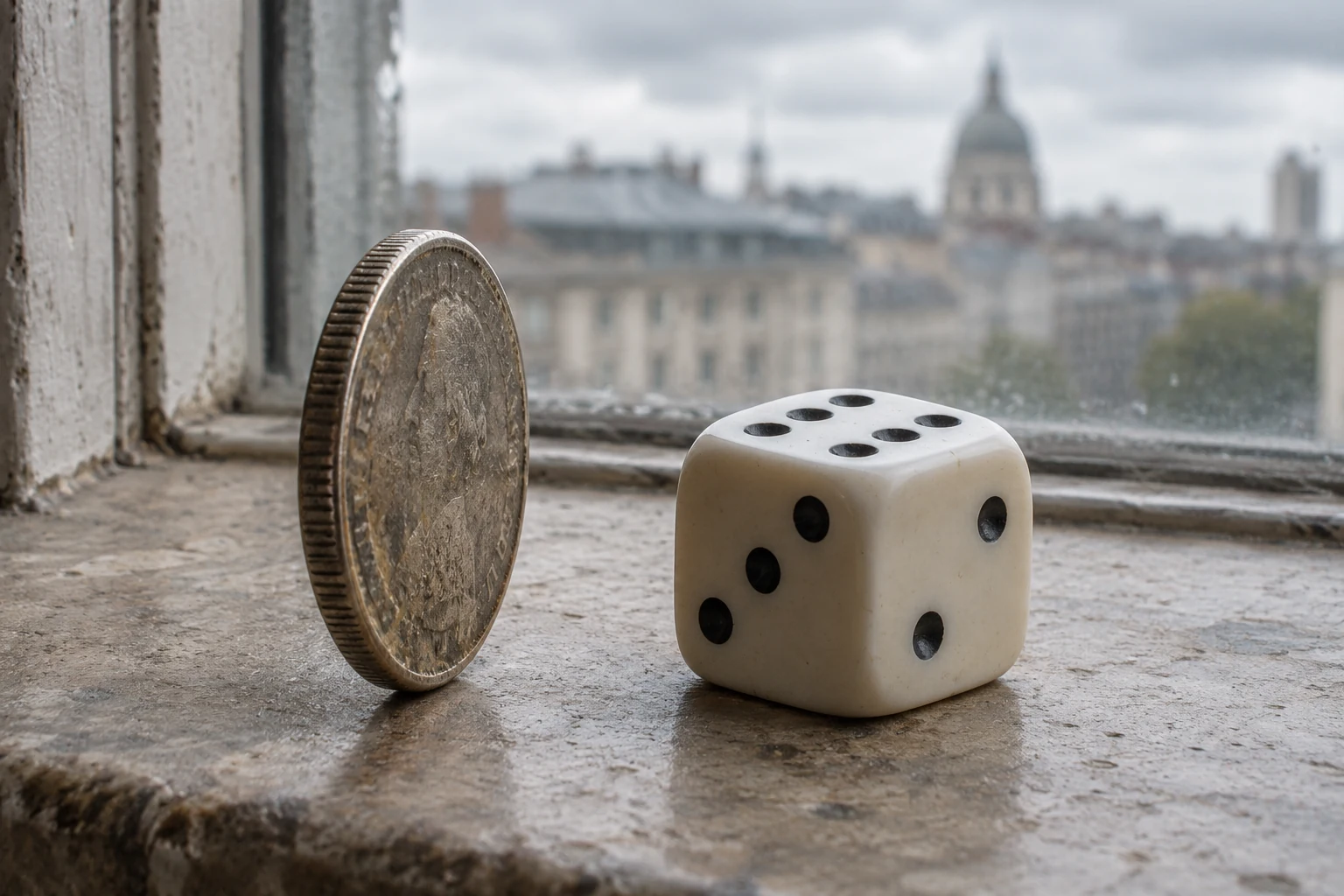
Pokie myths: hot machines, cold machines and jackpots
“A machine that hasn't paid is due for a win”
An ordinary pokie spin that uses random outcomes that do not depend on earlier results has no memory of earlier losses. Money lost on a machine by someone else does not build up a prize owed to the next player. Waiting nearby, moving cabinets or studying another player's session will not reveal a reliable payout timetable.
The reverse belief fails too: one big payout does not leave a machine “drained”. Labels such as Hot and cold describe its recent history. They are not a dependable measure of the next spin.
“A bigger bet makes the reels luckier”
A higher stake usually scales the money won or lost, not the randomness of the reels. At the same multiplier, a NZ$2 stake pays twice as much as NZ$1 when it wins. It also costs twice as much when it loses.
Some progressive jackpots are exceptions to the simple “stake never changes eligibility” rule. A minimum bet, a separate qualifying wager or a bet-dependent jackpot chance may apply. A linked progressive can collect contributions across several machines or games. Even a growing prize meter cannot tell you which machine will award it next; eligibility, jackpot caps and trigger conditions sit in the game rules.
“More paylines, bonus buys or free spins guarantee better returns”
More active paylines or ways to win may increase the number of paying combinations, but they can raise the cost of a spin. A bonus round, free spins, wilds and multipliers change how wins are delivered. Their contribution is already part of the game's mathematical design, rather than extra money the casino forgot to account for.
Check the version as well as the game title. Some slots have different RTP settings despite identical graphics. The paytable, theoretical RTP, total stake, active paylines and jackpot conditions matter more than the title on the cabinet or screen.
“The time of day, button timing or machine position changes the result”
No reliable schedule says pokies pay more after dark, on payday or when the floor is busy. A held button, an early reel stop or a volume adjustment cannot improve the odds of a properly functioning random game. A cabinet near the entrance may attract attention, but it has no special RTP rating.
Roulette myths: streaks, systems and the dealer's spin
“After six reds, black must be next”
The history board might show six reds, but the wheel still contains the same pockets. On fair European roulette, the next spin's chance of black remains 18/37. Earlier spins cannot remove red pockets or create extra black ones.
Birthdays, lucky numbers and systems tracking high or low outcomes are ways to pick a bet, not ways to improve its probability.
“Martingale guarantees a profit if I keep doubling”
With Martingale, a player doubles an even-money bet after every loss, hoping the next win recovers the earlier bets. Fibonacci, Labouchere, Paroli and Oscar's Grind arrange stakes differently. They cannot alter the roulette wheel.
Six losses on a Martingale progression beginning at NZ$5 cost NZ$315. The next stake would be NZ$320, chasing a net NZ$5 gain. Bankrolls run out and tables have maximum bets. The wheel still has its zero pocket; a staking system cannot remove a negative expected value.
“A dealer can choose where the ball lands”
A dealer launches the ball and spins the wheel, but a fair roulette game does not let them select winning numbers at will. If equipment or conduct seems irregular, that is a game-integrity complaint, not evidence for a betting system. The round record and the operator's complaints procedure offer a firmer basis for examining what happened.
Blackjack, baccarat and poker: skill changes some decisions
“Every blackjack table has the same odds”
Blackjack odds change with the table rules: number of decks, doubling and splitting options, whether the dealer hits soft 17, and the payout for a natural blackjack. The last difference is easy to see. A NZ$20 blackjack pays NZ$30 profit at 3:2 but only NZ$24 at 6:5.
Basic strategy matches the player's hand and the dealer's upcard to the choices that perform best under the table's rules. It reduces costly decisions without promising a winning session. Insurance, Perfect Pairs and 21+3 are separate bets with separate probabilities; their prices do not describe the return of the main blackjack hand.
“Card counting is magic - or automatically a crime”
Card counting tracks which cards remain in a finite blackjack shoe. It cannot identify the next card, and frequent reshuffling can remove the information that makes counting useful. A casino may refuse or restrict play; the rules governing devices and conduct also vary by place. Neither “guaranteed to work” nor “illegal everywhere” is an accurate description.
“All card games are pure luck”
Baccarat fixes most drawing decisions in advance. Banker, player and tie bets differ in payout and expected return, so the tempting tie payout carries a different risk. Poker puts players against one another. Position, hand ranges and betting decisions matter over time, although luck still decides plenty of individual hands. A cardroom's rake or tournament fee also takes money out of the player pool.
Are online casinos rigged, and can a website change your luck?
The casino can have a mathematical advantage without rigging a game. Nor does a badge resembling a licence establish that an online operator can be trusted. Published rules, third-party testing, proper oversight and a credible complaints process offer stronger evidence. RNG software alone settles none of those questions.
The story about casinos pumping extra oxygen into rooms has no credible evidence behind it. Lighting, music, seating and floor design can influence how long people stay and what they notice. They do not secretly remove zeros from roulette wheels or improve a pokie's RTP. Longer visits, though, can mean more money wagered.
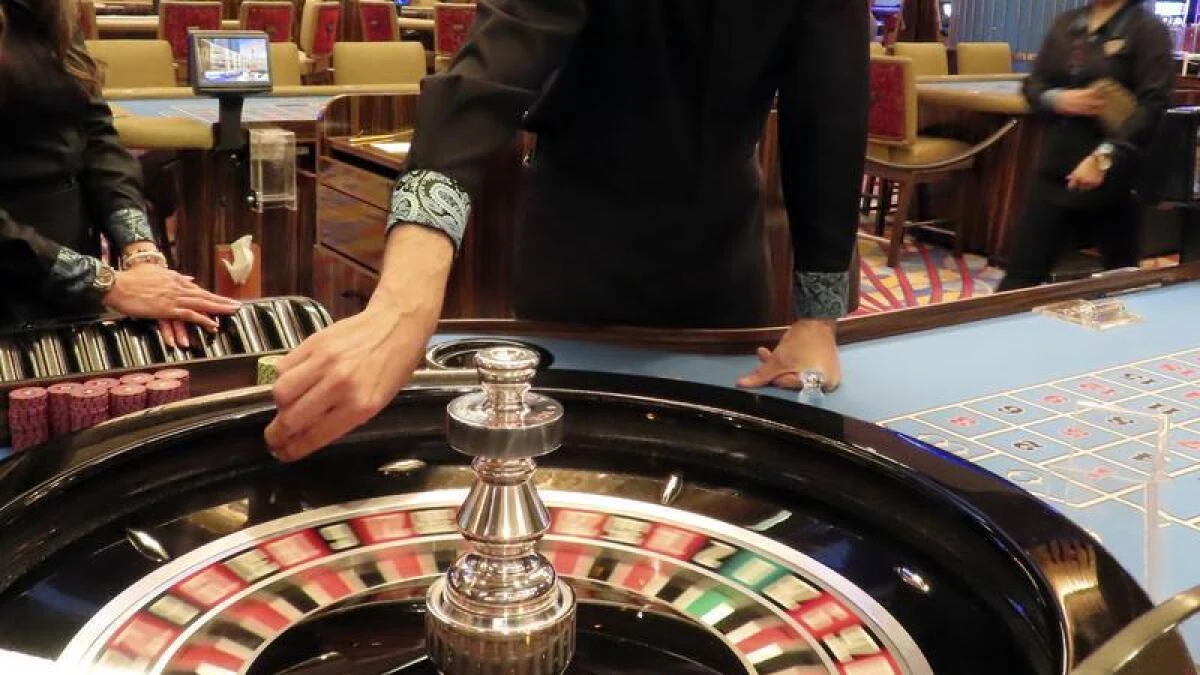
Casino operators can track account activity for fraud prevention, marketing and gambling-harm controls. That is not proof they adjust random outcomes after a win or loss. If a game appears to behave incorrectly, transaction records and an external examination matter more than a pattern inferred from one account balance.
Clearing cookies, logging out, switching phones, changing Wi-Fi speed or using a VPN will not improve a properly functioning RNG game's odds. A free demo does not prime the paid version either. If a connection drops during play, the operator's rules on interrupted or voided rounds determine how the wager is handled, not a supposed new probability setting.
A live-dealer casino broadcasts a physical game rather than virtual reels. That difference affects how outcomes are produced; it does not remove the need for integrity checks, clear rules, table limits or procedures for dealing with errors.
“A casino bonus is free money, and a large win must be paid immediately”
Welcome bonuses, matched deposits and promotional free spins can conceal wagering requirements, maximum-bet caps, eligible-game restrictions and expiry dates. Bonus credit is not automatically cash that can be withdrawn.
An online withdrawal may require identity verification (KYC), payment processing and fraud checks. Those procedures alone do not show bad faith. Delays without explanation or terms that change after a win are a different matter. Operator status, withdrawal limits, verification steps, transaction records and complaint procedures help distinguish routine processing from a genuine problem.
What New Zealand players should know in 2026
New Zealand regulates land-based casinos and Class 4 pokies, while offshore online casinos are moving into a separate licensing system. The Online Casino Gambling Act 2026 took effect on 1 May; the DIA expects first online casino licences in early 2027. An overseas approval or a site being accessible in NZ is not a New Zealand licence.
The new standards require covered operators to disclose game odds and theoretical RTP, use random outcomes, and provide time, spending and self-exclusion controls. Compensated RNGs that adjust odds in response to earlier results are prohibited. These requirements apply to the emerging licensed system; they do not certify every offshore site currently reachable from NZ.
Which casino claims deserve belief?
Different rules change real odds. The second zero on American roulette raises the house edge; 6:5 blackjack pays less for a natural hand than 3:2. Slot RTP settings and special progressive-jackpot eligibility also matter. Streaks, favourite cabinets and button timing do not.
Fairness requires a casino game to follow its stated rules and probabilities. It guarantees neither a payout nor equal chances for every possible result. A superstition cannot change either fact.