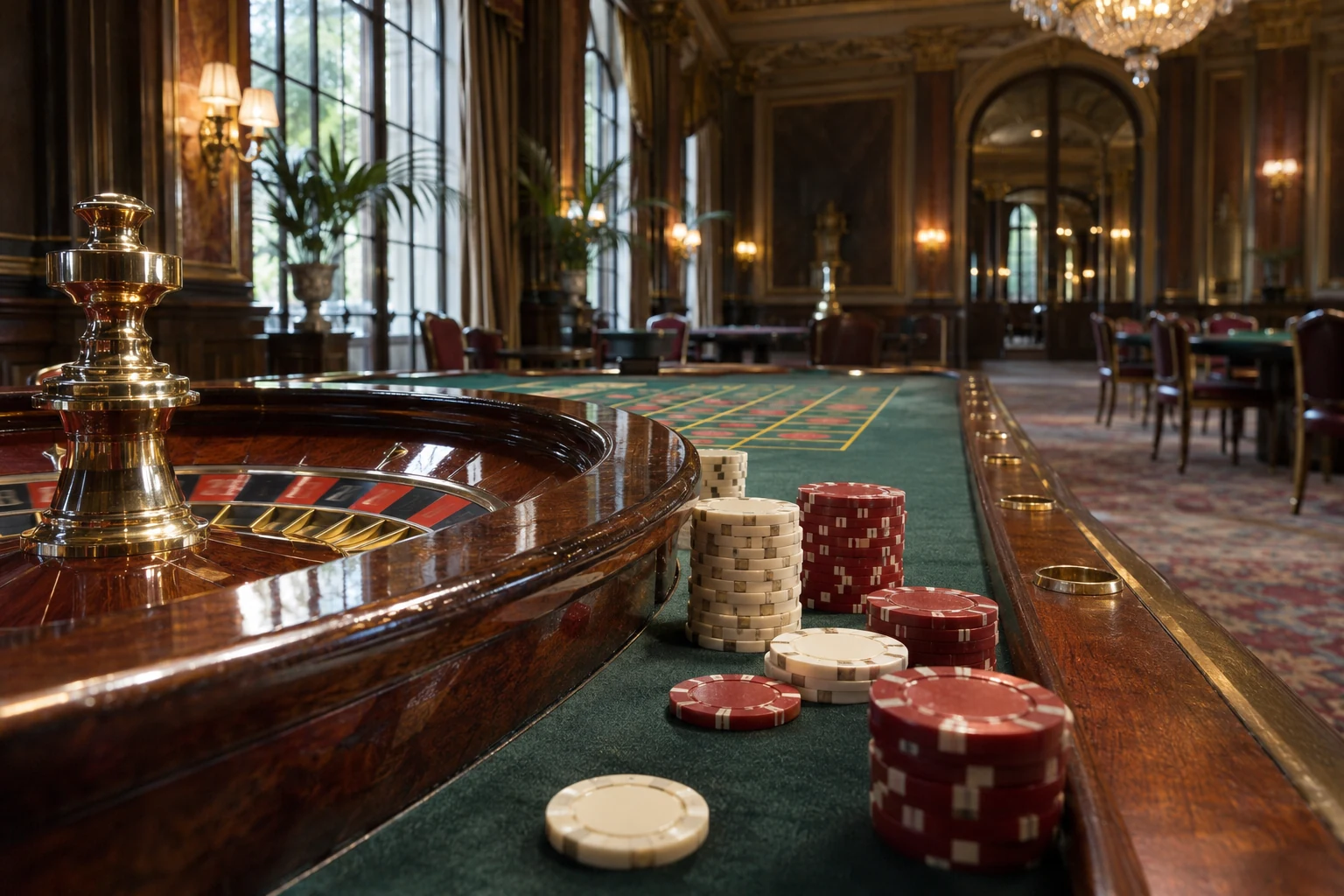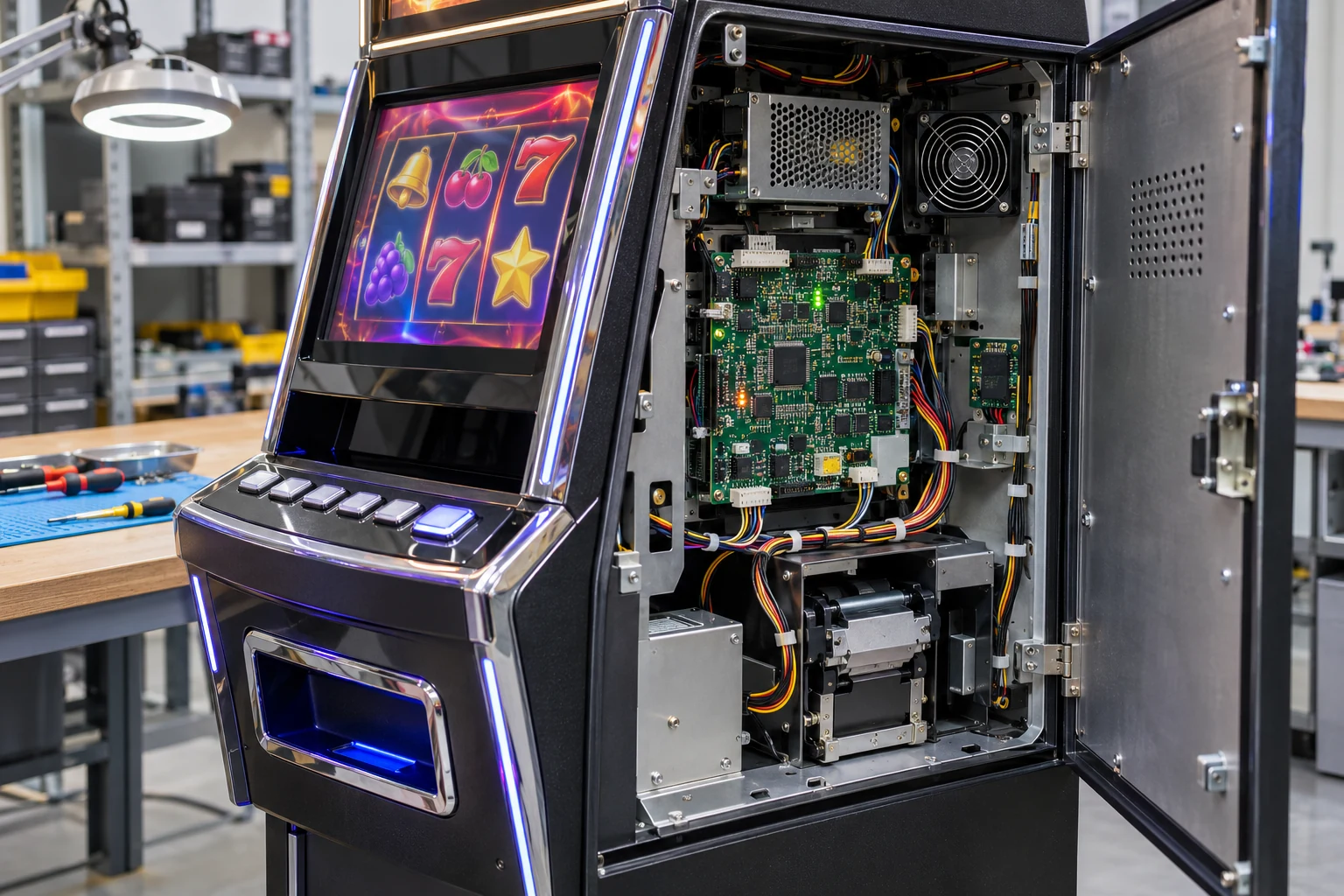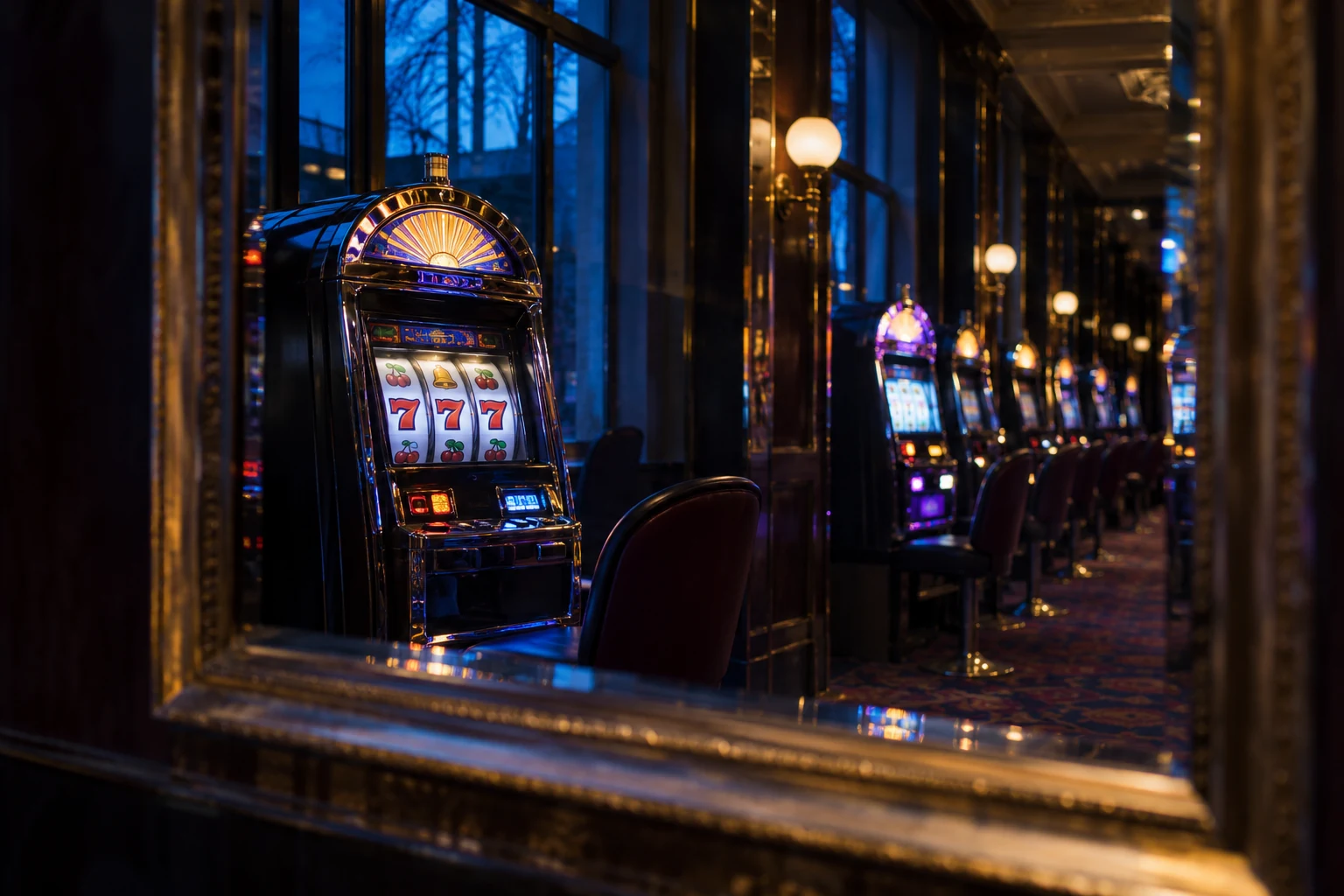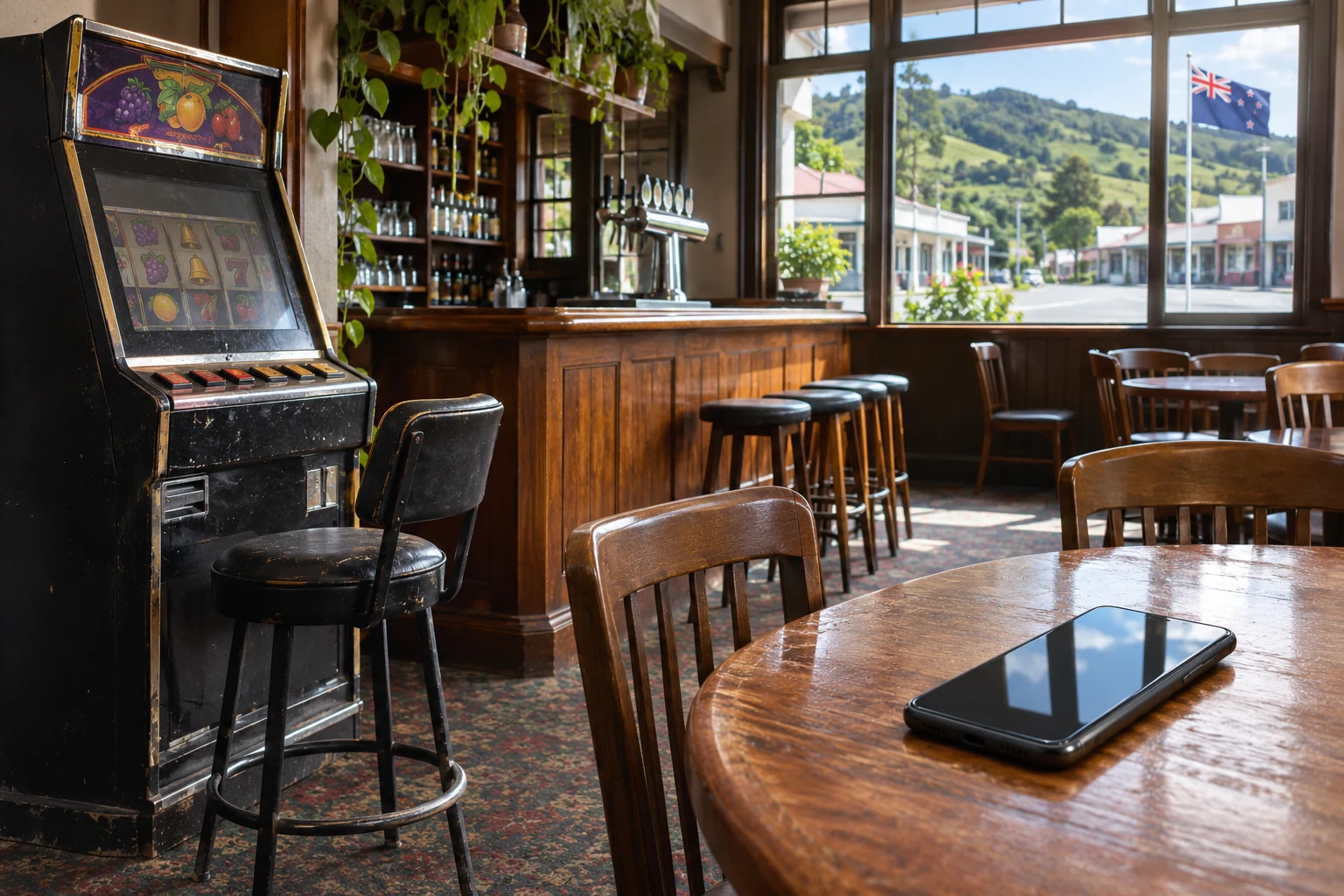
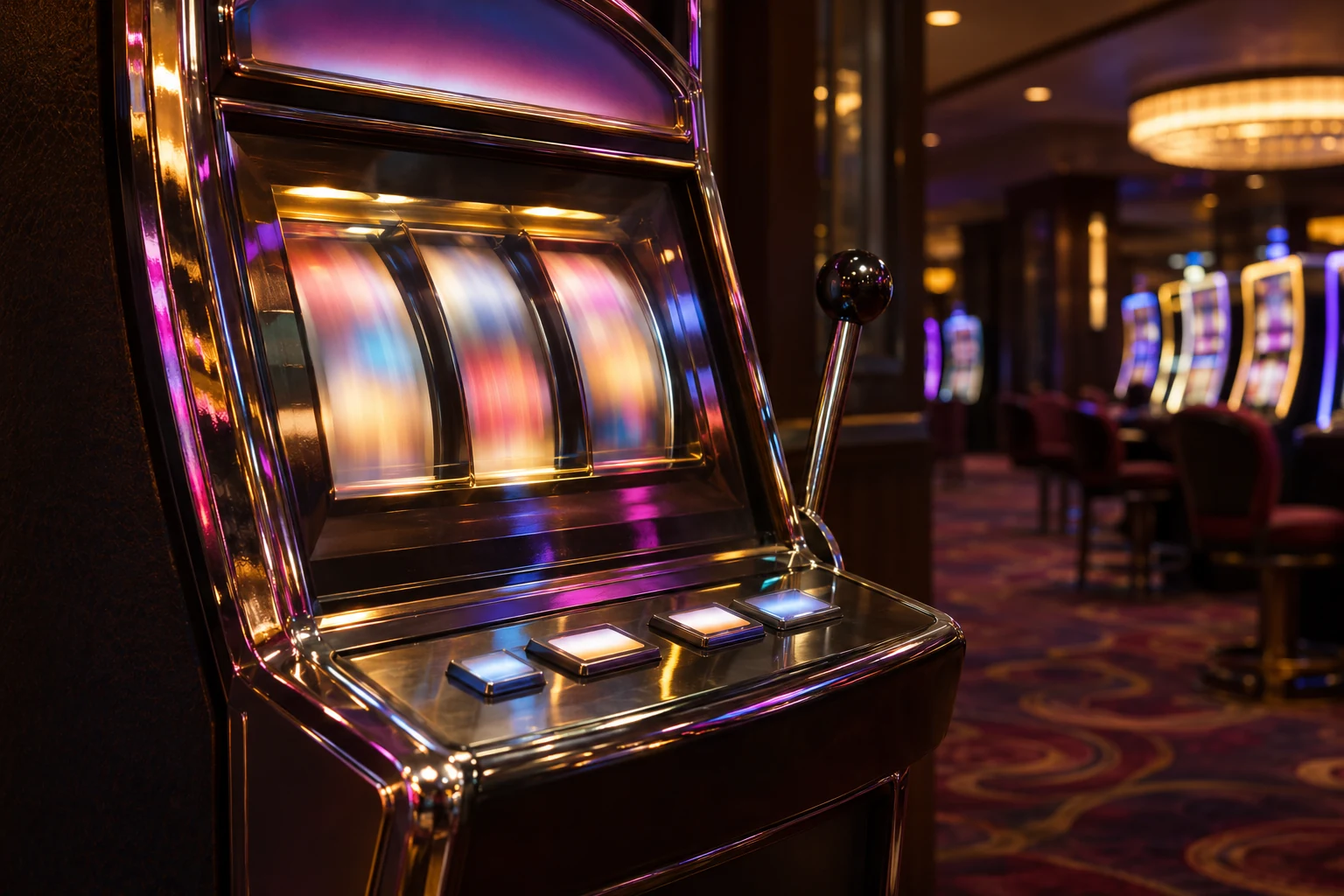
The reels spin on a pokie. Lights flash; coins appear on the screen. Even a small payout can be enough to prompt another spin. Casino games feel so addictive because the result is unpredictable, the feedback arrives quickly and a loss seldom feels like the end of the story. There is still the next spin, the near miss, or the hope of getting money back.
Enjoying a casino game is not the same as having a gambling addiction. The problem starts when a game becomes difficult to leave, particularly during financial stress or when gambling offers a break from difficult feelings. The same pull can arise in online casinos and in the pokies at New Zealand pubs, clubs and casinos.
Why unpredictable rewards can hold attention
Wins do not arrive at fixed intervals. This variable reward pattern can keep the next result feeling unresolved, even after a session stops being enjoyable.

When the game celebrates a loss as though it were a win
A multi-line slot can light up and play a victory sound while the player loses money. This is a loss disguised as a win (LDW): the payout is smaller than the total stake, although the machine celebrates it.
The middle row is a net loss of NZ$0.80. More active paylines can mean more small payouts and more celebratory sounds. A player's balance, not the animation, tells the truth. The useful figure is the amount won or lost after deducting the entire stake, not simply the amount returned.
How casino design keeps one round connected to the next
Speed removes natural stopping points
The end of a blackjack hand or roulette spin ought to create a pause. Online games can almost erase it. Another round appears immediately, so dozens of separate betting decisions pass before the player has really considered the running total.
At NZ$2 per spin, one spin every five seconds produces 120 spins in ten minutes: NZ$240 in cumulative wagers. That is turnover, not necessarily a NZ$240 loss; earlier payouts can fund later bets. A small opening balance can still be staked repeatedly at that pace.
Sound, light and credits reshape the experience of money
Winning sounds, flashing graphics, animated reels and familiar characters draw the eye. Losing outcomes usually get less fanfare. When an online game shows credits rather than NZ dollars, a rapidly changing balance can be harder to translate back into spending.
A casino floor surrounds the player with light, sound, seats and immediate access to another game. On a phone, the setting can be a bedroom late at night. There is no trip home to interrupt play, and sleep or time with whānau can slip away. These cues do not force anyone to bet; they make it easier to continue without a break.
Bonus rounds promise something just beyond the next spin
Scatter symbols, wilds, respins, expanding reels, free spins and jackpot meters give the player something else to wait for. Two scatters land, so the third suddenly feels worth chasing. The progressive jackpot keeps growing on screen, even while the player's balance shrinks.
Free spins inside a paid slot belong to its underlying maths; they are not proof of profit. Eligible wagers can feed a progressive jackpot, but a larger displayed prize does not mean a personal win is due. The rules and probabilities, not the animation, determine what the feature is worth.
The promise can continue after logging out. Loyalty points, progress bars, account reminders and promotional bonuses encourage a return visit. A deposit match or bonus balance may come with wagering requirements or withdrawal restrictions. A reward that looks generous on screen may offer little immediately withdrawable cash.
Buttons can create an illusion of control
Players can choose a stake, select paylines, press a stop button or sit in a favourite chair. Those actions feel purposeful. They may change the money at risk or which prizes are available, but they cannot steer a properly random spin. Repeating a button press does not turn it into a skill.
Blackjack and poker need a different distinction. Blackjack decisions can affect the expected return; poker involves decisions against other people. Neither game removes chance, participation costs or the possibility of gambling harm.
Are some casino games more habit-forming than others?
The game matters, but so does its pace. Pokies and online slots offer fast results and strong sensory feedback; table games add suspense, visible streaks or choices that feel skilled. Those differences change the experience of repeating a bet.
In poker, players commonly compete against one another while an operator charges a fee or rake. Roulette is usually house-banked. Live-dealer games bring a real dealer's social cues to a screen. None of these formats makes addiction inevitable. A person's circumstances and pattern of play remain central.
When “one more game” stops feeling like a choice
Being absorbed in a game is not a diagnosis. Warning signs include repeatedly missing a planned finish, spending household money, raising stakes to recover excitement, hiding play or borrowing. Problems with sleep, work, relationships or finances can appear before a crisis.
Gambling disorder involves impaired control, gambling taking priority over other activities and continuing despite harm; only a qualified professional can diagnose it. Partners, children and whānau can be affected even without a diagnosis.
Some people describe the 'machine zone': attention narrows to the next spin while time and money fade into the background. The experience varies, but losing the ability to stop is more concerning than simply enjoying a game.
What creates a meaningful break in the cycle?
- Set the boundary before play. The best time to set a boundary is before the first bet, not after a near miss. A fixed spending limit, a finish time and a clear net result counter can expose how the session is going. Net result means everything returned minus everything staked; celebratory payouts do not change that calculation.
- Add friction between sessions. Online accounts may offer deposit, spending and time limits, time-outs, self-exclusion and blocking tools. Removing stored cards and turning off gambling notifications creates more friction before another deposit. A bank's gambling-transaction block, where available, adds a boundary outside the casino account.
- Use support when limits are not enough. Limits are not treatment for gambling disorder, particularly when they are repeatedly raised. Counselling, financial guidance and support from trusted people can address the harm behind the bets. The early signs of gambling harm matter even before losses reach an alarming figure.
The real reason the next spin feels different
A new spin does not erase what happened on the last one. The last win, the missed payline and the wish to recover a loss all influence whether the next bet seems irresistible. Game sounds and pace leave little time for those feelings to settle.
Winning once says little about whether play is under control. More useful checks are whether a player knows the cost, stops at the planned point and can leave a loss behind. A new spin may feel extraordinary, but a random win is not due.