A Lotto ticket is a more familiar gamble for many New Zealanders than a seat at a blackjack table. Powerball draws, TAB NZ sports bets, pub pokies and casino visits all count as gambling, but they take different amounts of time and money. The pace of play matters as much as the number of people taking part.
In the New Zealand Gambling Survey 2023/24, 64.1% of people aged 15 and over reported gambling at least once in the past year, around 2.76 million people. That total includes someone who bought one lottery ticket, not just regular bettors or casino customers. Participation tells us how many people gambled, not how intensively.
How common is gambling in New Zealand?
Lotto NZ attracts more participants than any other category in the national survey. Online gambling is common too, but the online total includes lottery tickets and sports bets, not only casino games. Every percentage in the table covers the previous 12 months; none is a weekly participation rate.
One person can appear in several rows. A Powerball ticket bought on MyLotto counts as both Lotto and online gambling; a TAB NZ bet placed on a phone counts in two categories as well. The percentages cannot be added together. Although the survey measures people aged 15+, it does not change the legal minimum age for any product.
What do New Zealanders actually gamble on?
Lotto, Powerball and scratch cards
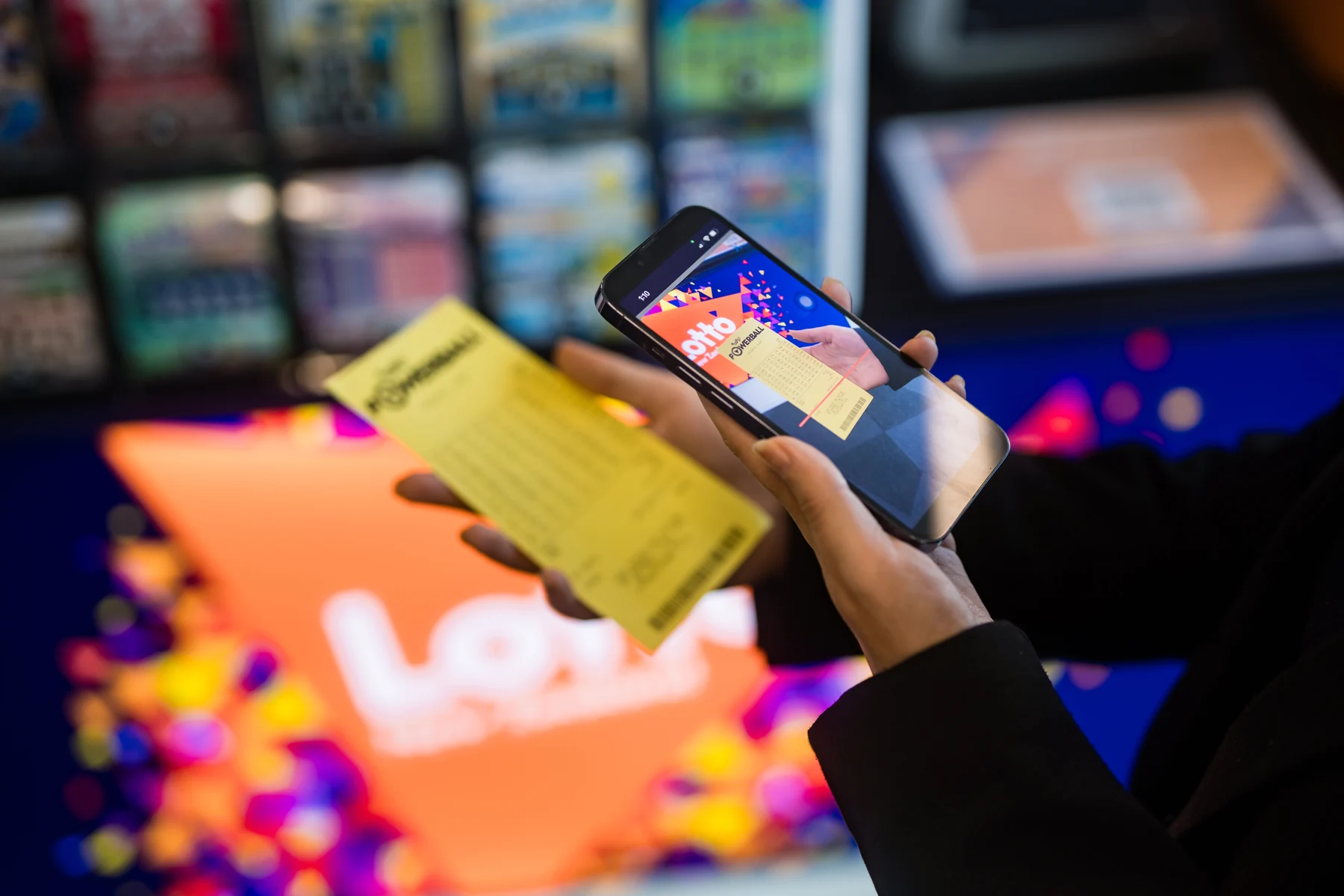
Lotto NZ sells Lotto, Powerball, Strike, Keno and Bullseye draw games, plus Instant Kiwi scratch cards. Tickets are available at dairies, supermarkets and other retailers; MyLotto offers eligible games online. Some people buy for every draw, perhaps through a shared syndicate. Others buy only when a jackpot catches their eye.
A draw ticket creates a pause between payment and result. A scratch card gives an answer immediately. A syndicate spreads the ticket cost and any winnings between its members; it cannot make the odds favourable or provide dependable income.
TAB NZ, racing and sports betting
Horse racing and sport bring betting into the same weekend calendar as rugby, cricket and football. TAB NZ takes domestic racing and sports bets through retail and digital channels, including its Betcha brand. Someone following a match may also be watching live scores, odds and team news while a bet remains open.
Familiarity with a team does not remove bookmaker margins or the uncertainty of a result. In-play markets offer more chances to wager before the final whistle. A small first stake says little about the number of bets eventually placed.
Pub and club pokies
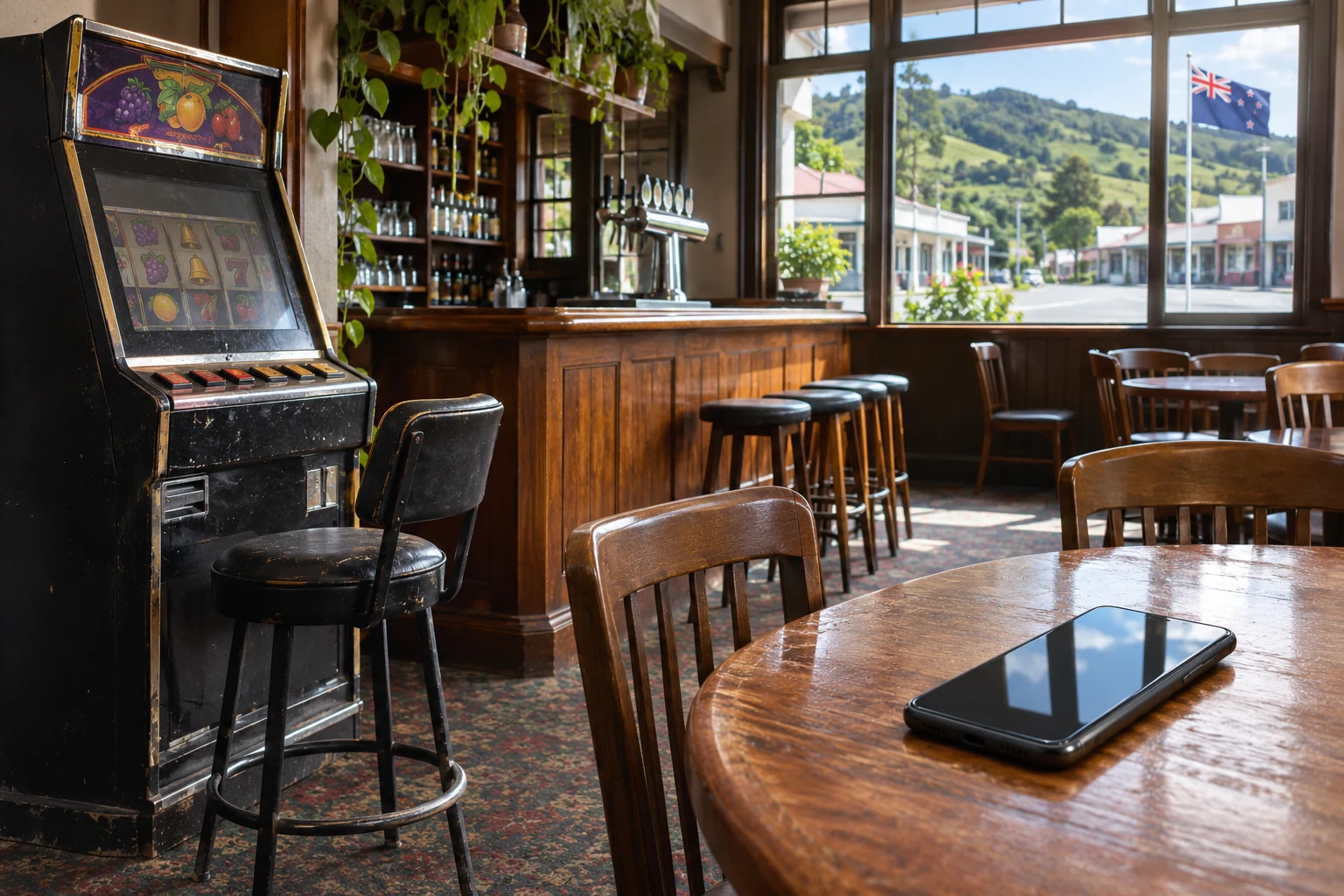
Pokies operate in pubs and clubs as well as casinos. Outside casinos they fall under Class 4 gambling in the Gambling Act 2003. Rounds finish quickly, lights and sounds mark the results, and credits can go straight back into another spin. The speed makes it easy to stay longer than intended.
Class 4 societies must use their net proceeds for authorised community or non-commercial purposes, including grants to sports clubs and local organisations. Those grants have a cost: players' losses fund them. Where losses are concentrated in areas facing deprivation, the impact on households deserves scrutiny. The Department of Internal Affairs identifies these machines as high-risk, high-turnover gambling.
Casinos and table games
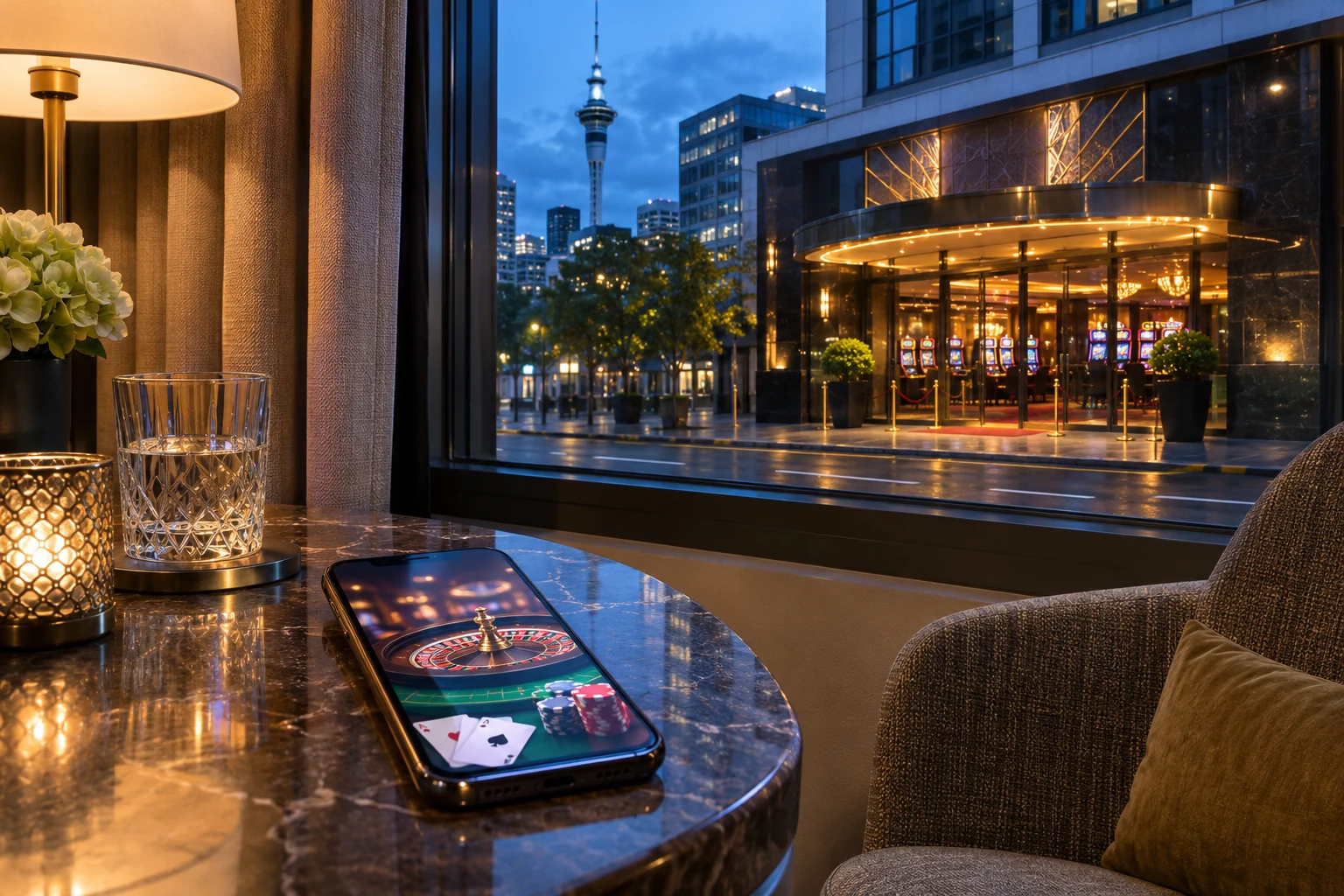
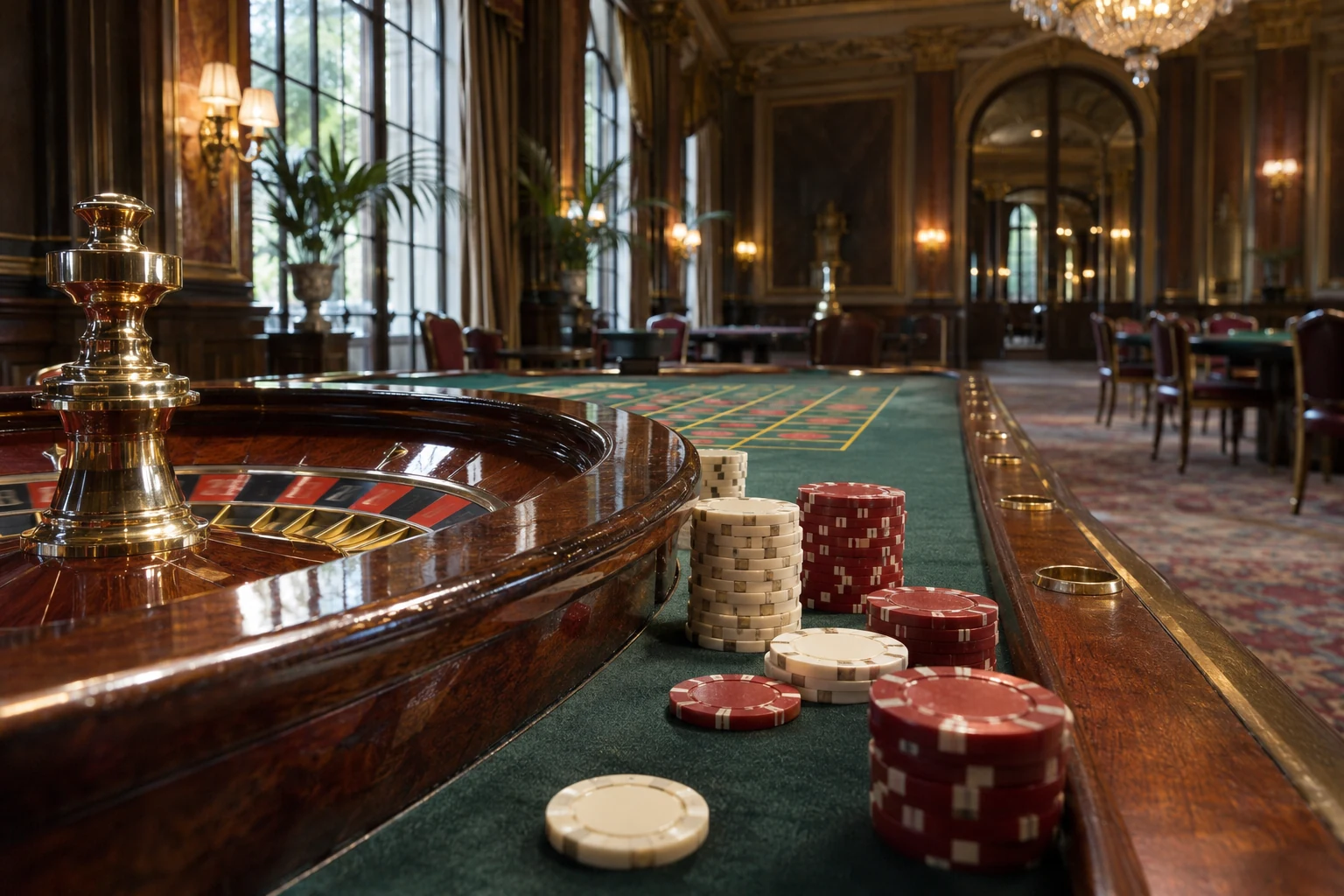
Casinos are highly visible, although fewer New Zealanders visit them than buy lottery products. SkyCity Auckland, SkyCity Hamilton, SkyCity Queenstown, Christchurch Casino and Grand Casino Dunedin pair gaming floors with restaurants, bars, tourist visits and nights out. Machines sit alongside roulette, blackjack, baccarat and poker; SkyCity Auckland also has Tai Sai and money wheel.
A casino visit might mark a birthday or a trip rather than a weekly routine. Chips and machine credits can obscure how much cash has gone. Roulette and baccarat mainly depend on chance; blackjack allows decisions but keeps a house advantage. Poker players compete with one another while the operator takes a fee or rake. None offers assured profit.
Raffles, housie and informal bets
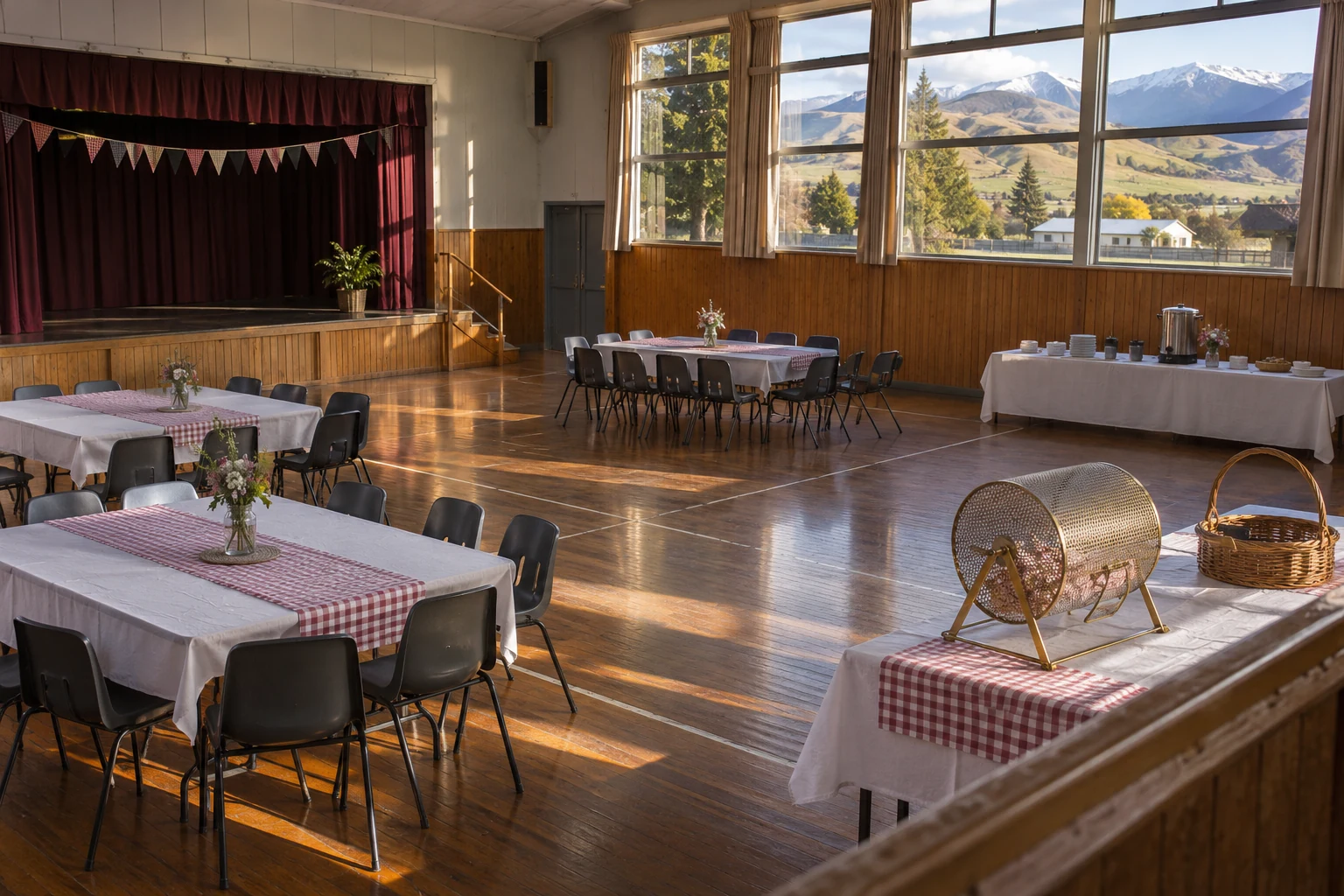
Community raffles, fundraising draws, housie or bingo, office sweepstakes and private wagers also count towards gambling participation. Buying one raffle ticket for a school is unlike betting repeatedly on a match, even though both involve money and an uncertain result. That difference helps explain why survey participation is so much higher than casino attendance.

Online gambling: a larger category than online casinos
The 31.1% online participation rate includes New Zealand lottery and betting websites as well as overseas gambling services. It is not an online-casino rate. The separate 3.6% figure for overseas providers is broader than casinos too. Neither number establishes how many Kiwis play offshore casino games.
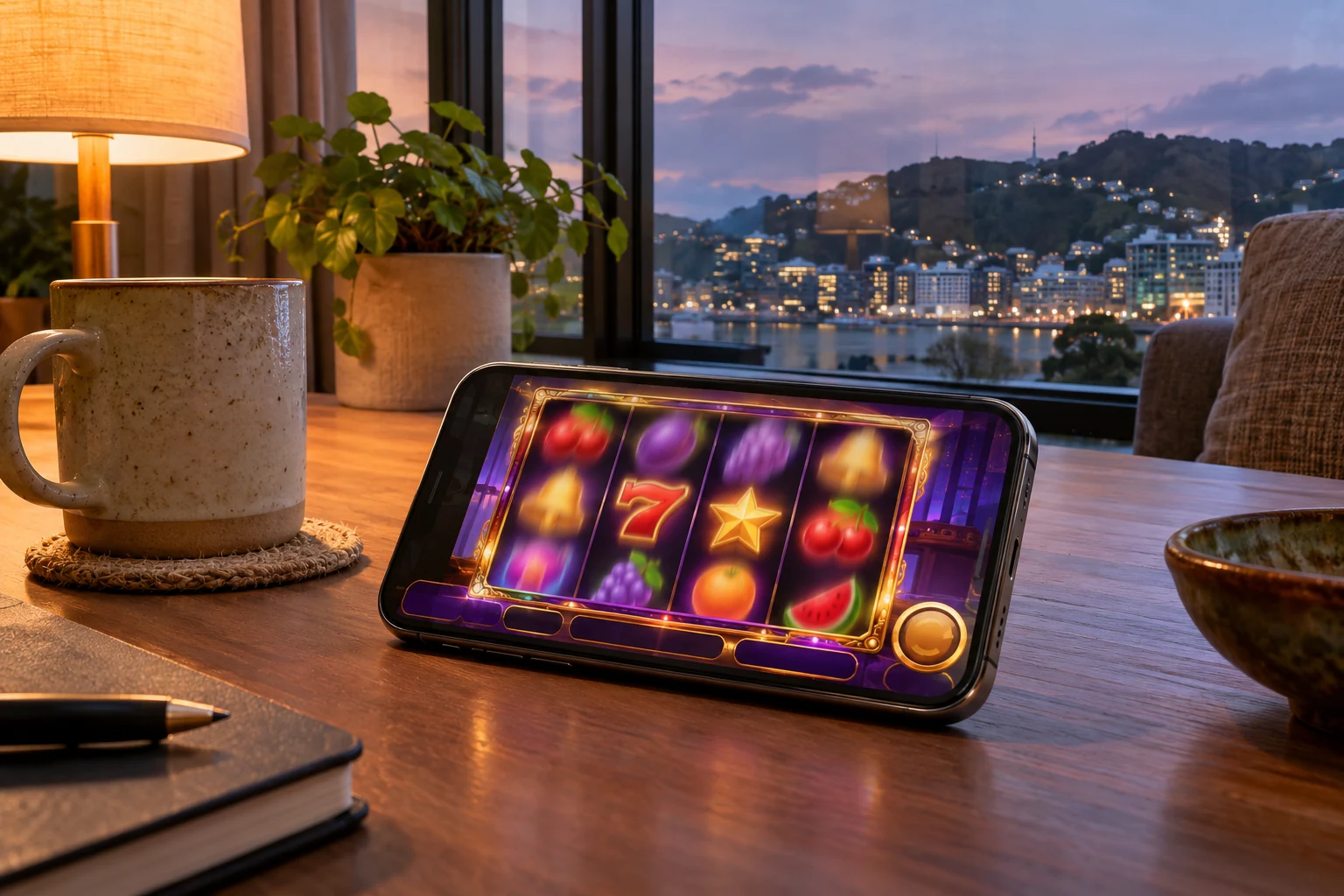
Online gambling can take place on the sofa, on a lunch break or while watching sport. No trip to a venue is required. Account balances, saved cards and promotional messages can put another transaction a few taps away; they also make spending easier to overlook than banknotes leaving a wallet.
Loot boxes and simulated casino games in video games introduce chance and paid rewards, but their legal treatment is not automatically the same as gambling. Mixing gaming and gambling in one statistic can distort the picture, especially when discussing exposure among rangatahi.
How much money is spent on gambling in NZ?
- Total losses. The Department of Internal Affairs recorded NZ$2.792 billion in net player losses during 2023/24 across New Zealand's regulated gambling sectors. “Expenditure” here means stakes kept by operators after prizes or winnings are paid, not the total amount wagered. Money can be bet and won back many times without changing that definition.
- Where losses occur. Non-casino pokies generated the largest recorded loss total, even though Lotto had many more participants. A widely purchased ticket and a fast, repeatable machine play are different ways of spending. Headcounts alone do not describe the financial impact of each.
- How to read the total. The NZ$2.792 billion figure covers four regulated sectors, not the full offshore online casino market. It is also a 2023/24 total, not a 2026 figure. Dividing it equally among residents would misrepresent personal losses: many people never gambled, and losses were not distributed evenly.
Does gambling affect some communities more than others?
Participation is not a measure of harm. In 2023/24, 8.3% of people experienced some level of gambling-related harm in the preceding year. The Problem Gambling Severity Index (PGSI) classifies risk and problems, rather than counting casino trips or the number of bets made.
The Ministry of Health reports disproportionate gambling harm among Māori, Pacific peoples, some Asian communities, younger people and households on lower incomes. These population patterns say nothing about an individual's character. Machine locations, financial pressure and access to culturally appropriate help are part of the picture.
Unpaid bills and hidden debt affect people who never gamble themselves. Partners, children and whānau may live with the arguments, missed commitments or lost time. A separate government economic and social costing put gambling problems' wider burden at NZ$4.219 billion in 2023/24. That modelled social cost is not additional player expenditure and must not be added to the NZ$2.792 billion loss total.
What gambling habits reveal about casino life in NZ
A single label, “gambling”, covers very different experiences in New Zealand. Lotto tickets tend to be occasional or draw-based, TAB NZ wagers follow sport and racing, and pokies offer repeated rounds without a long break. Casinos mix gaming with hospitality and tourism. Phones bring parts of that activity into everyday life.
When gambling starts to determine someone's time or money, participation has become a different kind of habit. Net losses, play frequency, legal safeguards and consequences for whānau reveal what a national percentage cannot.