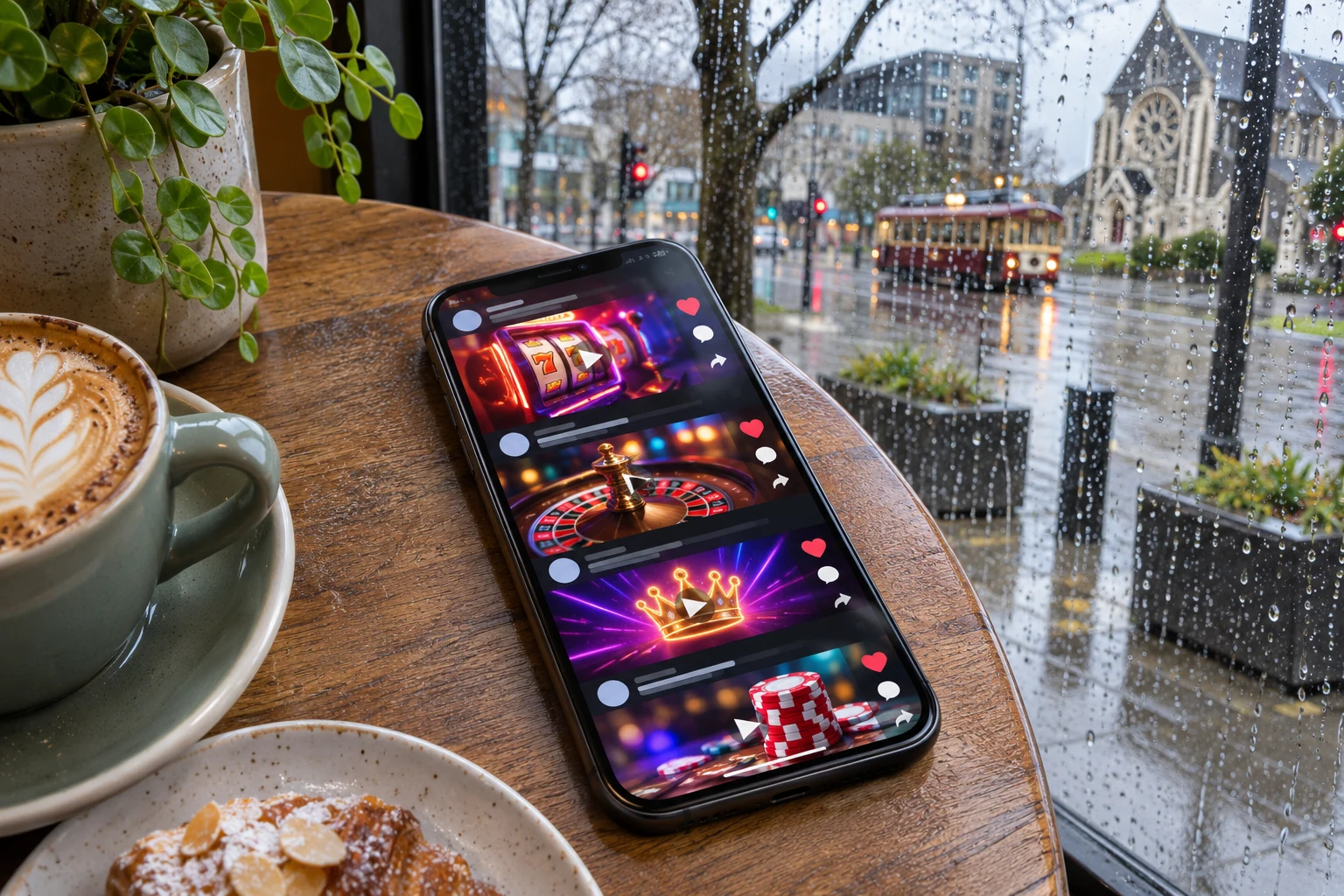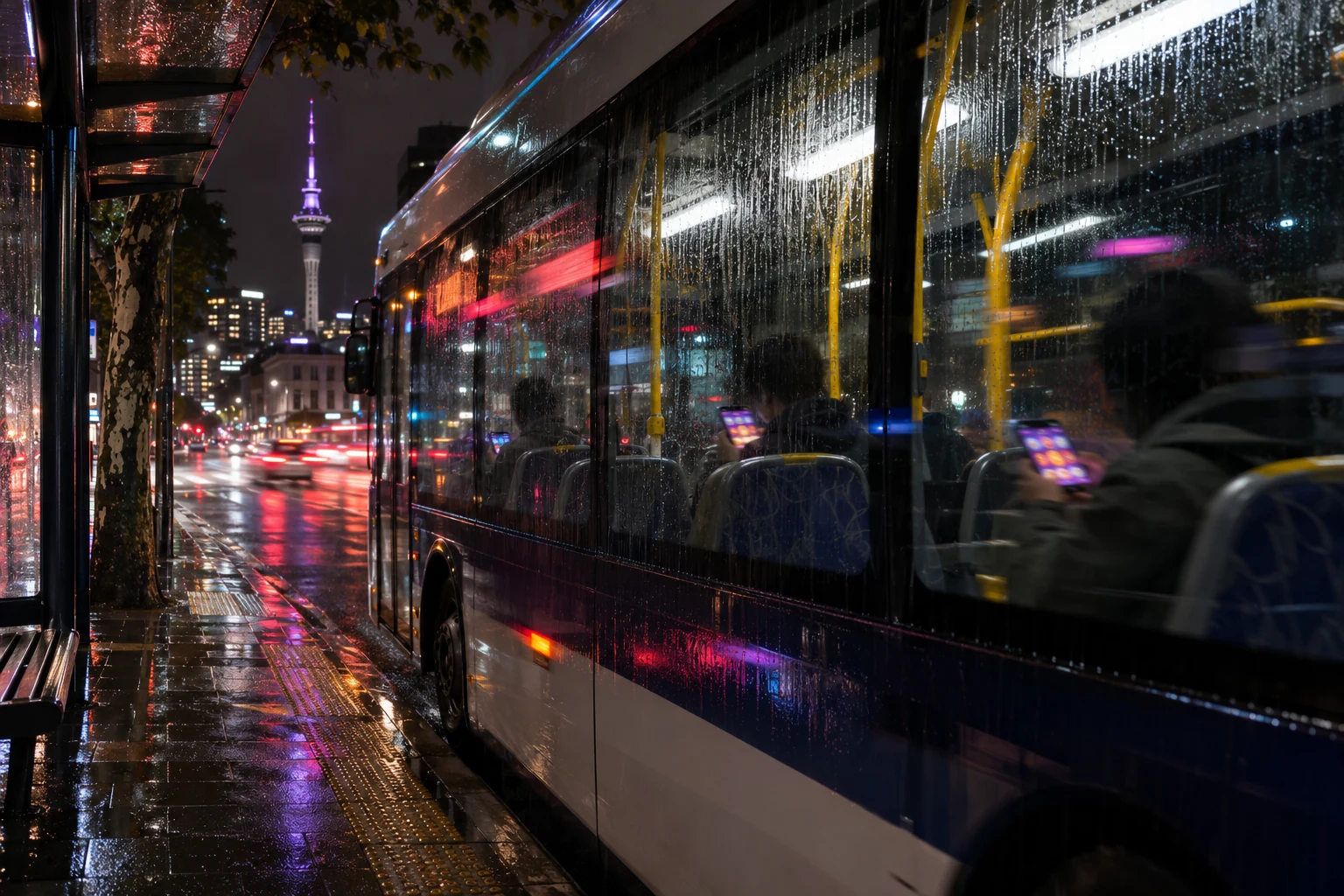
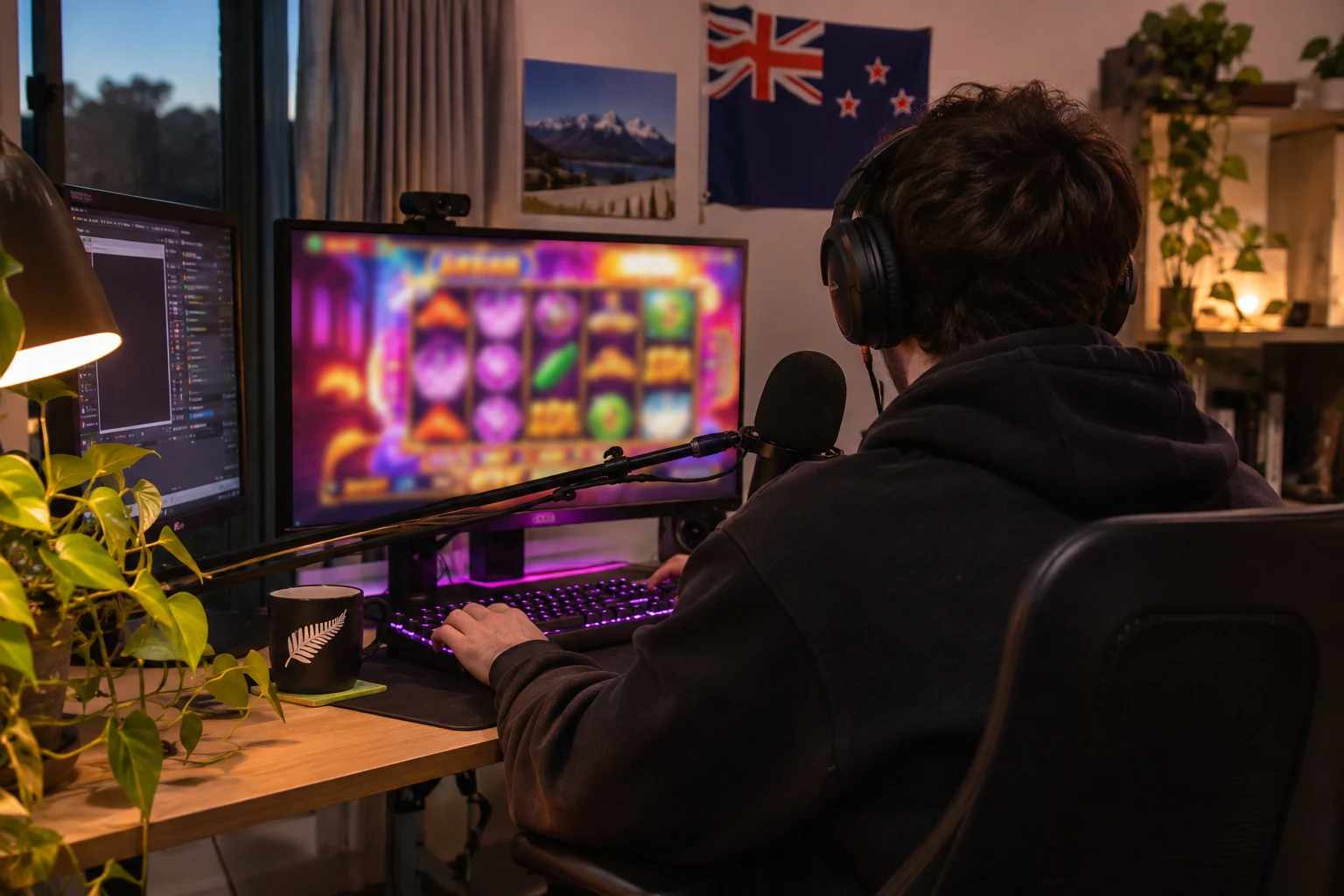
A slot hits a huge multiplier. Chat erupts. Minutes later, a 20-second clip is travelling through TikTok, YouTube Shorts and Instagram Reels. Missing from that highlight are the spins that preceded it, the source of the bankroll and any payment the host receives when viewers sign up through a referral.
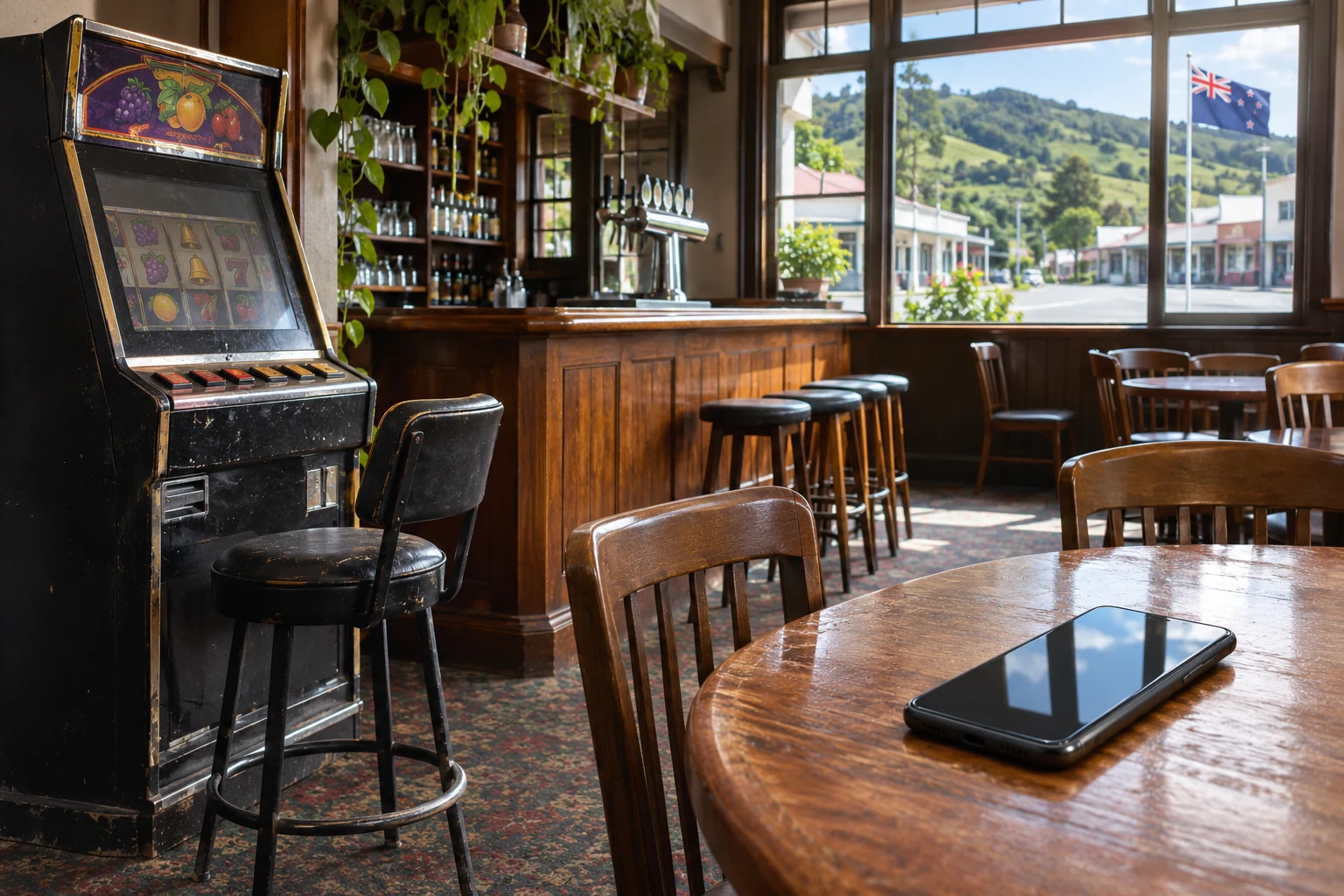
Most casino personalities familiar to Kiwi audiences broadcast from overseas. Platform rules govern what they can stream; New Zealand law governs what can be advertised here. An offshore casino appearing on Kick is not automatically authorised to market itself in Aotearoa.
What separates a casino streamer from a casino influencer?
A casino streamer broadcasts gambling live, often with chat reacting to every slot spin, blackjack hand or roulette result. A casino influencer also works through edited videos, filmed casino visits, podcasts, interviews and social posts. The same creator can do both. A livestream follows play as it happens; a short clip usually preserves only the memorable seconds.
Online streams feature slots, live-dealer tables, bonus buys and sometimes strikingly large balances. Land-based creators film casino floors, high-limit machines and hand-pay jackpots. Poker and sports-betting personalities share some of that audience, but the games differ. A poker player makes decisions against other players; a pokie spin follows a random-number generator and the rules built into the game.
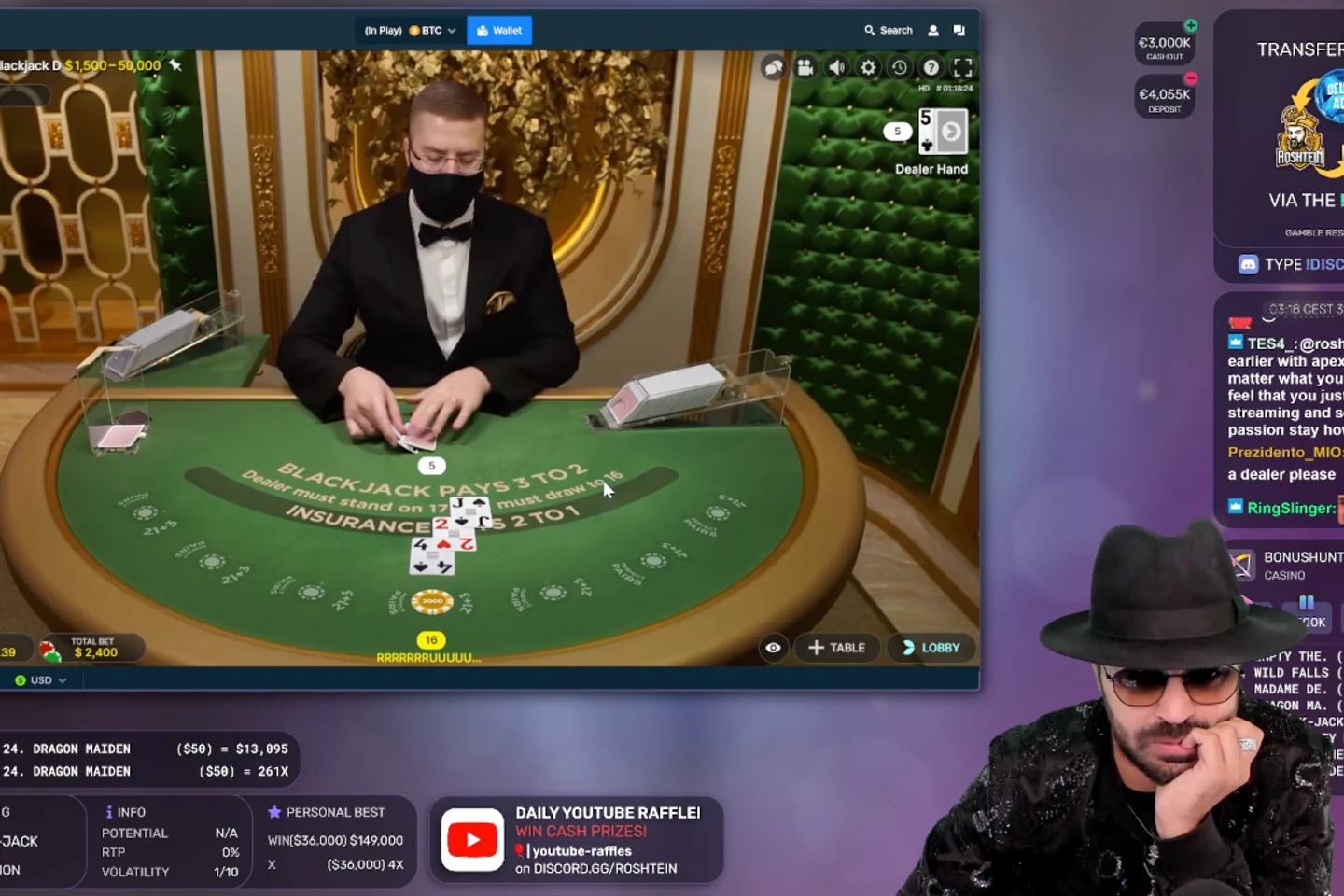
The names behind casino streaming's biggest audiences
Live hours watched and the reach of edited videos tell different stories. A variety streamer who plays blackjack occasionally should not be ranked as though they produce the same content as a full-time slots channel.
Adin Ross and xQc bring mainstream livestream audiences into the casino conversation. Maherco streams for an Arabic-speaking audience, while MitchJones appears in Twitch casino-viewing data. Filmed casino visits are another scene altogether: Vegas Matt, The Big Jackpot (Raja Richter), NG Slot, Mr. Hand Pay and Pompsie are associated more closely with YouTube and casino-floor footage than extended online slots broadcasts.
In a January - June 2026 gambling-category comparison, Trainwreckstv drew roughly 14.45 million hours watched, followed by Roshtein at 9.71 million, Maherco at 8.41 million, MitchJones at 5.14 million and ClassyBeef at 4.83 million. The figures reflect tracked viewing, not profits or credibility. They also depend on the period and categories counted; follower totals and peak live audiences are different measures.
Kick, Twitch and YouTube offer different versions of casino media
Kick: long-form slots and live chat
Kick's Slots & Casino category hosts lengthy online casino broadcasts, including chat-driven bonus hunts and hours of repeated spins. Its community rules address legal compliance, disclosures of gambling sponsors and affiliate relationships, protection of minors and correct categorisation. Gambling streams require an 18+ label. None of those platform permissions overrides New Zealand advertising law.
Twitch: gambling labels and named-site restrictions
Twitch permits some gambling content, including poker and fantasy sports, under its community rules and classification rules. Streamers cannot share links or referral codes for sites offering slots, roulette or dice games, and platform rules restrict named casino domains: Stake, Roobet, Gamdom, Rollbit, Duelbits and Blaze. Those names identify restrictions, not places recommended to NZ players.
YouTube, Shorts, TikTok and Instagram: the highlight economy
YouTube carries casino-floor footage, long recordings, interviews and jackpot compilations. TikTok, Shorts and Instagram Reels circulate the winning moment without the preceding session. On X and Discord, discussion continues after the stream ends. One win may appear repeatedly across several feeds, making an isolated outcome look commonplace. Age gates, uploads and promotion policies are platform-specific.
How casino streamers make money - and why the bankroll matters
A balance on screen does not tell viewers how much personal money a streamer has at risk. One broadcaster may gamble with their own funds; another may have a casino-funded account, a fixed sponsorship payment or income from referred customers. Contracts are usually private. Claims about an individual's arrangement need disclosed terms or separate evidence.
Streamer deals commonly use these payment models:
- Flat sponsorship or appearance fee: a fee for appearing or streaming, regardless of any one spin.
- CPA (cost per acquisition): a fee for a referred customer who meets agreed conditions, often including a first deposit.
- Revenue share: a share of qualifying revenue from referred customers, calculated under the contract.
- Hybrid agreement: CPA and revenue share together, sometimes with a fixed fee.
- Sponsored or restricted balance: a supplied bankroll whose withdrawal rules may differ from an ordinary account.
A demo balance, a sponsored real-money balance and a self-funded real-money balance can look similar during a broadcast. They are not financially equivalent. A winning animation says nothing certain about withdrawal rights, who covers a loss or the streamer's net result. Nor does an unexplained balance prove that a particular creator is using fake money.
A streamer paid to play with a funded balance faces a different level of financial risk from someone betting their wages. Affiliate codes add another incentive: the presenter may earn money when a viewer becomes a customer. A disclosure reveals that connection; it does not make gambling safer or override NZ restrictions.
The local side of influencer culture
Racing events, sports podcasts, lifestyle accounts and Instagram collaborations have brought betting brands into New Zealand entertainment feeds. The Spinoff covered appearances of TAB and Betcha promotions alongside events and creator content. Their sports-and-racing context does not authorise online casino endorsements.
In May 2025, influencer Millie Elder-Holmes received a NZ$5,000 fine after promoting offshore gambling. DIA has also warned local influencers. A New Zealand Ministry of Health report records interviewees' concerns about gambling exposure among younger viewers and some Māori and Pacific communities, and the strain losses can put on whānau finances. A trusted creator's paid endorsement may look like a personal recommendation.
When the entertainment stops feeling harmless
Casino viewing can stop feeling casual when someone compares their wages with a streamer's wagers, checks gambling feeds compulsively or starts chasing a jackpot seen in a clip. Muting promotional accounts and leaving referral links alone reduces exposure. Friends and whānau affected by another person's gambling may need support as well.
Gambling Helpline provides confidential support in New Zealand at 0800 654 655 or by free text to 8006. Safer Gambling Aotearoa lists local information and support services.